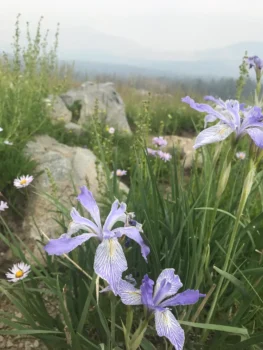
Rocky Mountain Iris: A Native Beauty for Wet Spots in Your Garden
If you’ve been searching for a native plant that thrives in those persistently soggy areas of your garden, meet the Rocky Mountain iris (Iris missouriensis). This purple-flowered perennial might just be the solution you’ve been looking for – though it comes with a few important considerations every gardener should know.
What Makes Rocky Mountain Iris Special
Rocky Mountain iris is a true North American native, naturally found across a impressive range from Canada down through the western United States. This hardy perennial forb (that’s botanist-speak for a non-woody flowering plant) puts on quite a show each spring with its conspicuous purple blooms that rise about a foot tall above clumps of green, medium-textured foliage.
Where You’ll Find It Growing Wild
This adaptable iris calls home to an extensive territory spanning Alberta and British Columbia in Canada, and reaches south through Arizona, California, Colorado, Idaho, Minnesota, Montana, Nebraska, Nevada, New Mexico, North Dakota, Oregon, South Dakota, Utah, Washington, and Wyoming in the United States.
- Species observed
- No observations
A Word of Caution: Conservation Matters
Before you rush to add Rocky Mountain iris to your shopping list, there’s something important to know. This beautiful native carries a Global Conservation Status of S3, meaning it’s considered vulnerable throughout its range. While this shouldn’t stop you from growing it, it does mean you should be extra careful to source your plants responsibly from reputable native plant nurseries rather than collecting from wild populations.
Growing Conditions: It’s All About the Water
Rocky Mountain iris has earned its Facultative Wetland status across multiple regions, which means it’s happiest with its feet wet but can tolerate some drier conditions. Here’s what this moisture-loving plant needs to thrive:
- Soil: Surprisingly adaptable to coarse, medium, or fine-textured soils, but prefers alkaline conditions (pH 7.0-8.5)
- Water: High moisture requirements – perfect for rain gardens, pond edges, or naturally wet areas
- Light: Intermediate shade tolerance, so full sun to partial shade works well
- Climate: Cold hardy to -28°F, needs at least 115 frost-free days, and handles 24-35 inches of annual precipitation
Garden Design Ideas
Rocky Mountain iris shines in specific landscape situations:
- Rain gardens: Its high moisture use makes it perfect for managing stormwater runoff
- Naturalized areas: The colonizing growth habit helps it spread and fill space naturally
- Native plant gardens: Pairs beautifully with other moisture-loving natives
- Wetland restoration: Excellent choice for restoring degraded wet areas
What to Expect: Size and Growth Habits
This iris is a fairly compact performer, reaching about 1 foot tall at maturity. Don’t let its modest height fool you – it has a rapid growth rate and spreads vegetatively at a rapid pace, making it excellent for covering ground in wet areas. The summer active growth period means you’ll see most of its action during the warmer months.
Planting and Care Tips
Good news for busy gardeners: Rocky Mountain iris is relatively low-maintenance once established. Here’s how to succeed:
- Propagation: Can be grown from seed (about 19,958 seeds per pound!) or planted as bare root rhizomes, bulbs, or corms
- Planting time: Spring is ideal, though fall planting can work in milder climates
- Spacing: Plant 1,000-40,000 per acre depending on desired density
- Ongoing care: Keep consistently moist, minimal fertilizer needed due to low fertility requirements
- Maintenance: After flowering, seed heads can be left for wildlife interest or removed for tidiness
Wildlife and Pollinator Benefits
While specific wildlife benefits aren’t well-documented for this species, iris flowers are generally excellent pollinator plants. The spring bloom period coincides perfectly with when bees and other pollinators need nectar sources, and the black seeds that follow provide potential food for birds and small wildlife.
Should You Plant Rocky Mountain Iris?
Rocky Mountain iris could be perfect for your garden if you have consistently moist or wet areas that need beautification. Its rapid growth, lovely spring flowers, and native status make it an excellent choice for naturalized plantings and rain gardens. Just remember to source it responsibly from reputable nurseries to help protect wild populations.
However, if you have dry garden conditions or need a plant for formal, manicured landscapes, this might not be your best choice. Its colonizing nature and high water needs make it better suited for more relaxed, naturalistic garden styles.
When grown in the right conditions, Rocky Mountain iris offers a beautiful way to support native plant communities while solving challenging wet-soil situations in your landscape.