Rocky Mountain Larkspur: A Stunning Native Wildflower for Southwestern Gardens
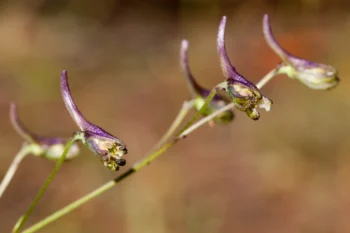
If you’re looking to add some serious vertical drama to your native plant garden, Rocky Mountain larkspur (Delphinium scopulorum) might just be the showstopper you’ve been searching for. This perennial wildflower brings classic cottage garden charm with a distinctly southwestern twist, making it a fantastic choice for gardeners who want to support local ecosystems while creating breathtaking displays.
What Makes Rocky Mountain Larkspur Special?
Rocky Mountain larkspur is a true native gem, naturally occurring across the lower 48 states with particular strongholds in Arizona and New Mexico. As a perennial forb (that’s garden-speak for a non-woody flowering plant), this beauty comes back year after year, building impressive clumps that become more spectacular with age.
- Species observed
- No observations
What really sets this larkspur apart is its stunning flower spikes that can tower above other garden plants, creating those coveted wow moments that every gardener dreams of. The deeply divided, palmate leaves provide an attractive backdrop even when the plant isn’t in bloom, adding textural interest throughout the growing season.
Garden Design and Landscape Role
Rocky Mountain larkspur excels as a vertical accent plant and works beautifully in several garden styles:
- Native plant gardens where it can mingle with other southwestern species
- Wildflower meadows for a naturalistic look
- Cottage garden borders where its classic spiky form fits right in
- Back-of-border plantings where its height won’t overwhelm smaller companions
Its facultative wetland status means this adaptable plant can handle both moist and drier conditions, making it versatile for various garden situations across the Arid West, Great Plains, and Western Mountains regions.
Wildlife and Pollinator Benefits
Like most delphiniums, Rocky Mountain larkspur is a pollinator magnet. Its tubular flowers are perfectly designed for hummingbirds, while long-tongued bees and other native pollinators also find it irresistible. By planting this native species, you’re providing crucial resources for local wildlife while reducing your garden’s environmental footprint.
Growing Conditions and Care
Rocky Mountain larkspur thrives in USDA hardiness zones 4-8, making it suitable for a wide range of climates. Here’s what it needs to flourish:
- Sunlight: Partial shade to full sun (some afternoon shade appreciated in hottest climates)
- Soil: Well-draining soil is absolutely crucial – soggy conditions can be fatal
- Water: Moderate moisture needs; drought-tolerant once established
- pH: Adaptable to various soil pH levels
Planting and Care Tips
Success with Rocky Mountain larkspur comes down to getting the basics right:
- Plant in spring after last frost or in fall for spring emergence
- Ensure excellent drainage – amend heavy soils with compost and coarse sand if needed
- Mulch around plants to retain moisture and suppress weeds
- Don’t worry if plants go dormant during extreme summer heat – this is normal
- Allow seed heads to remain for winter interest and potential self-seeding
Important Considerations
Before you rush out to plant Rocky Mountain larkspur, there’s one important thing to know: this species has a somewhat uncertain conservation status (listed as S3?). While this doesn’t mean you shouldn’t grow it, it does mean you should source your plants or seeds responsibly from reputable native plant nurseries rather than collecting from wild populations.
Also, like all delphiniums, Rocky Mountain larkspur contains alkaloids that make it toxic if ingested, so keep this in mind if you have curious pets or small children.
The Bottom Line
Rocky Mountain larkspur offers southwestern gardeners a chance to grow a spectacular native wildflower that supports local ecosystems while providing stunning garden displays. Its adaptability to various moisture conditions, combined with its pollinator appeal and low-maintenance nature once established, makes it a worthy addition to native plant gardens. Just remember to source responsibly and give it the well-draining conditions it craves, and you’ll be rewarded with years of beautiful blooms that both you and local wildlife will appreciate.