Rocky Mountain Nailwort: A Tough Little Native for High-Altitude Gardens
If you’re looking for a plant that laughs in the face of harsh mountain conditions, let me introduce you to Rocky Mountain nailwort (Paronychia pulvinata). This scrappy little native might not win any beauty contests, but what it lacks in flashy flowers, it more than makes up for in pure toughness and charm.
What Makes Rocky Mountain Nailwort Special?
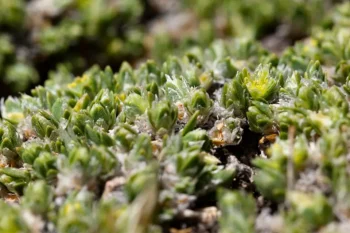
Rocky Mountain nailwort is a perennial forb that’s as hardy as they come. This low-growing cushion-former creates dense mats of tiny, paired leaves that hug the ground like nature’s own living carpet. Don’t expect towering height from this one – it stays close to the earth, rarely reaching more than a few inches tall but spreading to form attractive, compact mounds.
The flowers are delightfully understated – tiny white or greenish blooms that appear in clusters. While they won’t stop traffic, they have their own subtle beauty and serve an important role in supporting small pollinators like native bees and flies.
Where Does It Call Home?
This tough little native is perfectly at home in the American West, naturally occurring in Colorado, New Mexico, Utah, and Wyoming. You’ll find it thriving in high-elevation environments where many other plants struggle to survive.
- Species observed
- No observations
Why Grow Rocky Mountain Nailwort?
Here’s where this unassuming plant really shines:
- Drought champion: Once established, it needs minimal water – perfect for water-wise gardening
- Native credentials: Supporting local ecosystems while reducing maintenance needs
- Pollinator friendly: Those tiny flowers are perfect landing pads for small native pollinators
- Low maintenance: Set it and forget it – this plant thrives on neglect
- Unique texture: Adds interesting ground-level texture to rock and alpine gardens
Perfect Garden Spots
Rocky Mountain nailwort isn’t meant for every garden, but in the right spot, it’s absolutely perfect:
- Rock gardens and scree slopes
- Alpine and mountain-themed landscapes
- Drought-tolerant xeriscapes
- Between stepping stones or flagstones
- Containers for high-altitude gardening
Growing Conditions That Make It Happy
Think mountain meadow when planning for this plant:
- Sunlight: Full sun is essential
- Soil: Well-draining, sandy, or rocky soil – heavy clay is a no-go
- Water: Minimal once established; excellent drought tolerance
- Climate: Hardy in USDA zones 4-7, perfect for cooler mountain climates
Planting and Care Tips
The secret to success with Rocky Mountain nailwort is remembering where it comes from:
- Drainage is everything: If water sits around the roots, you’ll lose this plant quickly
- Go easy on the water: After the first season, natural rainfall should be plenty in most areas
- Skip the fertilizer: This plant prefers lean, nutrient-poor soils
- Winter protection: In areas with wet winters, ensure excellent drainage to prevent root rot
A Note About Conservation
Rocky Mountain nailwort has a somewhat uncertain conservation status, so if you decide to grow it, make sure you’re getting plants or seeds from reputable nurseries that source their material responsibly. Never collect from wild populations.
The Bottom Line
Rocky Mountain nailwort might not be the showiest plant in your garden, but for the right situation – especially rock gardens, alpine landscapes, or drought-tolerant designs – it’s a perfect choice. Its combination of native status, drought tolerance, and unique ground-hugging form makes it a valuable addition to water-wise Western gardens. Just remember: good drainage and minimal fuss are the keys to keeping this mountain native happy in your landscape.