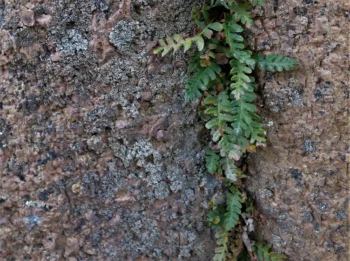
Rocky Mountain Polypody: A Rare Native Fern for Rock Gardens
If you’re looking to add a touch of wild Rocky Mountain beauty to your garden, the Rocky Mountain polypody (Polypodium saximontanum) might just be the perfect native fern for you. This charming little rock-dweller brings an authentic slice of western wilderness right to your backyard – though it comes with some important considerations.
What Is Rocky Mountain Polypody?
Rocky Mountain polypody is a small, perennial fern native to the western United States. Don’t let its delicate appearance fool you – this tough little plant has mastered the art of thriving in some pretty harsh conditions. It’s perfectly adapted to life among rocks and crevices, making it a fascinating addition to gardens that celebrate native flora.
Where Does It Naturally Grow?
This native beauty calls the Rocky Mountain region home, naturally occurring in Colorado, New Mexico, South Dakota, and Wyoming. You’ll typically find it tucked into rocky crevices and cliff faces, where it has learned to make the most of minimal soil and challenging growing conditions.
- Species observed
- No observations
Important Conservation Note
Before we dive into growing tips, there’s something crucial you need to know. Rocky Mountain polypody has a Global Conservation Status of S3?, which indicates it may be uncommon or rare in its native range. This means if you’re considering adding this fern to your garden, it’s essential to source it responsibly from reputable native plant nurseries that propagate their own stock rather than wild-collecting.
Why Consider This Fern for Your Garden?
Rocky Mountain polypody offers several unique benefits for the right garden situation:
- Authentic native character that supports local ecosystems
- Excellent choice for rock gardens and naturalistic landscapes
- Extremely drought-tolerant once established
- Adds texture and interest to challenging rocky areas
- Low-maintenance once properly situated
Perfect Garden Settings
This isn’t your typical shade garden fern. Rocky Mountain polypody thrives in:
- Rock gardens and alpine-style plantings
- Crevice gardens
- Xerophytic (dry) landscapes
- Naturalistic native plant gardens
- Areas that mimic its natural cliff and rocky habitat
Growing Conditions and Care
Success with Rocky Mountain polypody is all about mimicking its natural habitat. Here’s what this rock-loving fern needs:
Light: Partial shade to full sun – much more sun-tolerant than most ferns
Soil: Excellent drainage is absolutely critical. Think rocky, gravelly, or sandy soils rather than rich garden loam
Water: Drought-tolerant once established, but benefits from occasional deep watering during extended dry periods
Hardiness: Suitable for USDA zones 4-8
Planting and Care Tips
- Plant in spring or early fall when temperatures are moderate
- Create a rocky, well-draining planting area – consider adding gravel or coarse sand to improve drainage
- Water regularly the first year to help establishment, then reduce watering significantly
- Avoid fertilizing – this fern prefers lean conditions
- Mulch with gravel or small stones rather than organic mulch
- Be patient – this slow-growing fern takes time to establish and spread
The Bottom Line
Rocky Mountain polypody is a specialized native fern that can be a wonderful addition to the right garden. Its rarity means you’ll want to source it responsibly, and its specific growing requirements mean it’s not suitable for every situation. However, if you have a rocky area that needs some native character, and you’re committed to providing the well-draining conditions it craves, this little fern can bring a authentic piece of Rocky Mountain wilderness to your landscape.
Remember, growing rare native plants is both a privilege and a responsibility. By choosing Rocky Mountain polypody and sourcing it ethically, you’re not just adding beauty to your garden – you’re helping preserve a piece of our natural heritage.