Roemer’s False Indigo: A Rare Texas Native Worth Growing Responsibly
If you’re looking to add a touch of Texas charm to your native garden, Roemer’s false indigo might just be the perfect shrub for you. This lovely perennial, scientifically known as Amorpha roemeriana, brings beautiful purple-blue blooms and impressive drought tolerance to landscapes across the Lone Star State. But before you rush to plant it, there’s something important you should know about this special native.
What Makes Roemer’s False Indigo Special
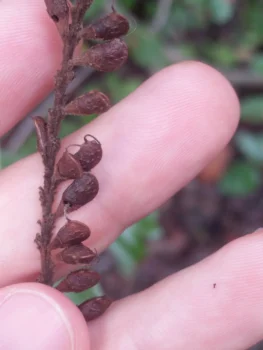
Roemer’s false indigo is a true Texas original – it’s found nowhere else in the world except within the state’s borders. This multi-stemmed shrub typically grows to a manageable 4-5 feet in height, making it perfect for medium-sized garden spaces. You might also see it listed under its synonym, Amorpha texana, but don’t let that confuse you – it’s the same wonderful plant.
The shrub produces striking spikes of purple-blue flowers in spring and early summer that are absolute magnets for pollinators. Its compound leaves create an attractive, fine-textured backdrop that works beautifully in naturalistic plantings.
Where It Grows Wild
This Texas endemic is naturally found throughout the state, with particular concentrations in the Edwards Plateau region. As a true native, it’s perfectly adapted to local conditions and supports the native ecosystem in ways that non-native plants simply can’t match.
- Species observed
- No observations
A Word of Caution: This Plant is Rare
Here’s the important part – Roemer’s false indigo has a Global Conservation Status of S3, meaning it’s considered vulnerable. With typically only 21 to 100 occurrences and between 3,000 to 10,000 individuals remaining, this plant needs our protection. If you decide to grow it, please only purchase from reputable nurseries that ethically propagate their stock rather than wild-collecting. Never harvest from wild populations.
Perfect for Water-Wise Gardens
Once established, this tough native is incredibly drought tolerant, making it ideal for xeriscaping and water-wise gardening. Its wetland status is Facultative Upland, which means it prefers drier sites but can tolerate occasional moisture. This flexibility makes it adaptable to various garden conditions.
The plant thrives in:
- Native plant gardens
- Drought-tolerant landscapes
- Prairie restoration projects
- Naturalistic plantings
- Wildlife-friendly gardens
Growing Conditions and Care
Roemer’s false indigo is remarkably easy to grow once you understand its preferences. It thrives in USDA hardiness zones 7-9, making it suitable for most of Texas and similar climates.
Light: Full sun to partial shade (though it flowers best in full sun)
Soil: Well-draining soils of various types; tolerates poor soils well
Water: Drought tolerant once established; minimal watering needed
Maintenance: Very low maintenance; little to no pruning required
Planting and Care Tips
For best results, plant your Roemer’s false indigo in fall or early spring when temperatures are moderate. This gives the plant time to establish its root system before facing summer heat or winter cold.
Water regularly during the first growing season to help establish roots, then reduce watering significantly. This native is built for Texas conditions and actually prefers to stay on the dry side once mature.
Benefits for Wildlife and Pollinators
As a member of the legume family, Roemer’s false indigo provides excellent benefits for pollinators. The purple-blue flower spikes attract native bees, butterflies, and other beneficial insects. The plant also fixes nitrogen in the soil, improving growing conditions for neighboring plants.
Should You Plant It?
Absolutely – but only if you source it responsibly! This native Texas shrub offers drought tolerance, pollinator benefits, and authentic regional character that’s hard to beat. Its vulnerable status makes it even more special, as growing it in your garden helps preserve this unique piece of Texas heritage.
Just remember: always purchase from ethical nurseries that propagate rather than wild-collect, and never take plants from natural populations. By growing Roemer’s false indigo responsibly, you’re not just adding beauty to your landscape – you’re helping protect a rare Texas treasure for future generations.