Rolland’s Bulrush: A Specialized Native Sedge for Serious Wetland Gardeners
If you’re looking for a plant that demands respect for its specific needs and conservation status, meet Rolland’s bulrush (Trichophorum pumilum). This isn’t your typical garden-center find – it’s a specialized native sedge that calls some of North America’s most challenging environments home.
What Exactly Is Rolland’s Bulrush?
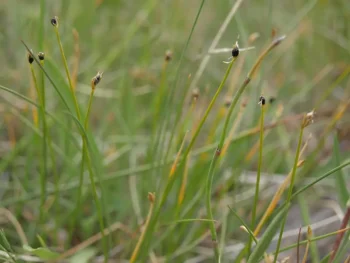
Rolland’s bulrush is a perennial grass-like plant belonging to the sedge family. Don’t let the bulrush name fool you – this petite plant is quite different from the tall, dramatic bulrushes you might picture. Instead, it’s a small, understated species that forms low tufts with narrow leaves and tiny brown flower clusters.
This hardy little sedge goes by several scientific synonyms, including Scirpus pumilus and Trichophorum rollandii, which you might encounter in older botanical references.
Where Does It Naturally Grow?
Rolland’s bulrush is native across a impressive range of North America, including Alaska, Canada, and the lower 48 states. You’ll find it naturally occurring in Alberta, British Columbia, Alaska, California, Colorado, Quebec, Saskatchewan, Yukon, Northwest Territories, Idaho, Montana, and Wyoming.
- Species observed
- No observations
The Conservation Reality Check
Here’s where things get serious: Rolland’s bulrush has a Global Conservation Status of S3Q, indicating some level of conservation concern. While the exact meaning of this status is undefined, it suggests this plant deserves careful consideration before cultivation. If you’re thinking about growing it, please ensure you source it responsibly from reputable native plant nurseries – never collect from wild populations.
Is This Plant Right for Your Garden?
Let’s be honest – Rolland’s bulrush is not for everyone. This is a plant for serious wetland gardeners and restoration enthusiasts. Here’s what you need to know:
Wetland Requirements
This sedge has very specific moisture needs that vary by region:
- In Alaska and Great Plains regions: Obligate wetland species (almost always found in wetlands)
- In Arid West and Western Mountains regions: Facultative wetland species (usually in wetlands but occasionally in non-wetland areas)
Translation: You’ll need consistently moist to wet soil conditions year-round.
Growing Conditions and Care
If you’re determined to grow Rolland’s bulrush, here’s what it needs:
- Hardiness: Extremely cold-hardy (USDA zones 1-6)
- Light: Full sun to partial shade
- Soil: Consistently moist to wet, often in boggy or marshy conditions
- pH: Adaptable to various pH levels in wetland environments
Landscape Role and Design Ideas
This isn’t a plant for traditional perennial borders. Instead, consider Rolland’s bulrush for:
- Bog gardens and wetland restorations
- Naturalistic plantings that mimic alpine or subarctic environments
- Specialized rain gardens in appropriate climates
- Educational or conservation-focused landscapes
Wildlife and Ecological Benefits
While specific wildlife benefits aren’t well-documented, sedges like Rolland’s bulrush typically provide:
- Habitat structure in wetland ecosystems
- Soil stabilization in wet areas
- Part of the food web in specialized habitats
However, don’t expect significant pollinator benefits – this is a wind-pollinated plant with inconspicuous flowers.
The Bottom Line
Rolland’s bulrush is a fascinating native plant, but it’s definitely not a beginner’s choice. If you don’t have the right wetland conditions or aren’t committed to its specialized needs, consider more adaptable native alternatives like blue flag iris, cardinal flower, or native sedges with less stringent requirements.
For those with appropriate conditions and a commitment to conservation, growing Rolland’s bulrush can be a rewarding way to support native plant diversity – just remember to source responsibly and respect this species’ conservation status.