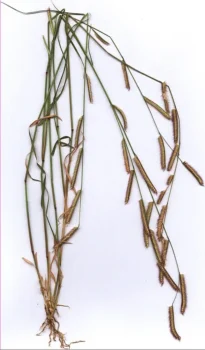
Rothrock’s Grama: A Hardy Native Grass for Southwestern Gardens
If you’re looking for a low-maintenance, drought-tolerant grass that’s perfectly adapted to the American Southwest, let me introduce you to Rothrock’s grama (Bouteloua rothrockii). This unassuming perennial grass might not win any flashy flower contests, but it’s a true champion when it comes to surviving tough conditions while supporting local ecosystems.
What is Rothrock’s Grama?
Rothrock’s grama is a native perennial grass that belongs to the grama grass family. You might also see it listed under its synonym, Bouteloua barbata var. rothrockii, in older botanical references. This hardy little grass has spent centuries perfecting the art of desert living, making it an excellent choice for gardeners who want to work with nature rather than against it.
Where Does It Naturally Grow?
This grass calls the southwestern United States home, specifically Arizona, New Mexico, and Utah. It’s perfectly adapted to the hot, dry conditions and alkaline soils that characterize much of this region.
- Species observed
- No observations
Why Choose Rothrock’s Grama for Your Garden?
Here’s where this grass really shines – it’s practically maintenance-free once established. If you’re tired of babying high-maintenance plants or struggling with water restrictions, Rothrock’s grama might just become your new best friend.
- Drought tolerance: Once established, this grass can survive on very little water
- Native benefits: Supports local wildlife and fits naturally into regional ecosystems
- Low maintenance: Requires minimal care after the first year
- Erosion control: Helps stabilize soil with its root system
- Fine texture: Adds delicate, naturalistic appeal to landscapes
Where Does It Fit in Your Landscape?
Rothrock’s grama works beautifully in xeriscaped gardens, native plant landscapes, and restoration projects. It’s perfect for creating naturalistic ground cover or filling in areas where you want something green but don’t want to fuss with irrigation. Consider using it in rock gardens, as part of a native grass meadow, or anywhere you need erosion control on slopes or disturbed areas.
Growing Conditions and Care
The beauty of this grass lies in its simplicity. Here’s what it needs to thrive:
- Sunlight: Full sun exposure
- Soil: Well-drained soils; tolerates poor, alkaline conditions
- Water: Minimal once established; drought-tolerant
- Climate: Hardy in USDA zones 5-9
Planting and Establishment Tips
Getting Rothrock’s grama established is straightforward, but patience is key during the first year:
- Plant in spring or early fall when temperatures are moderate
- Provide regular water during the establishment period (first growing season)
- Once established, reduce watering significantly – this grass prefers to stay on the dry side
- No fertilization needed; this grass thrives in lean soils
- Minimal pruning required; can be left natural or lightly trimmed if desired
A Note About Sourcing
When purchasing Rothrock’s grama, make sure to buy from reputable native plant nurseries that source their plants responsibly. This ensures you’re getting true-to-type plants while supporting ethical propagation practices.
Wildlife and Ecosystem Benefits
While Rothrock’s grama may seem unassuming, it plays an important role in supporting local wildlife. As a native grass, it provides habitat structure and contributes to the complex web of relationships that keep southwestern ecosystems healthy.
The Bottom Line
If you’re gardening in the Southwest and want a plant that truly belongs in your landscape, Rothrock’s grama deserves serious consideration. It won’t demand constant attention, won’t need frequent watering, and will quietly go about the business of being exactly what your local ecosystem expects to find. Sometimes the best plants are the ones that simply fit, and this native grass fits like it was meant to be there – because it was.