Rough Bentgrass: A Delicate Native Grass for Natural Landscapes
If you’re looking to add some wispy, natural charm to your garden while supporting local ecosystems, rough bentgrass (Agrostis scabra) might just be the understated star you never knew you needed. This delicate perennial grass brings a soft, fine texture to landscapes and plays an important role in North America’s native plant communities.
What Makes Rough Bentgrass Special?
Rough bentgrass is a true North American native, with one of the most impressive geographic ranges you’ll find in the plant world. This adaptable grass calls home everywhere from the frozen landscapes of Alaska and Greenland down through Canada and across all of the lower 48 states. You’ll find it thriving from sea level to mountain meadows, showing just how versatile this little grass can be.
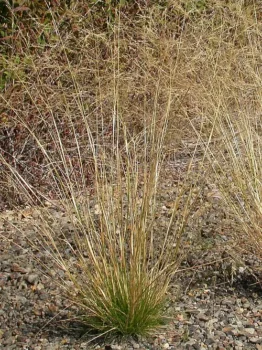
The plant forms loose, open clusters that reach about 2.5 feet tall at maturity, with a delicate, fine-textured appearance that adds subtle movement to the landscape. In late spring, it produces small yellow flowers that, while not particularly showy, contribute to the plant’s natural, meadow-like appeal.
- Species observed
- No observations
Is Rough Bentgrass Right for Your Garden?
This grass shines in natural and naturalized settings rather than formal landscapes. Here’s where rough bentgrass really excels:
- Native plant and meadow gardens
- Prairie restoration projects
- Erosion control on slopes and banks
- Rain gardens and areas with variable moisture
- Wildlife habitat gardens
However, there’s an important consideration for gardeners in New Jersey: rough bentgrass has a rare status in the state (listed as S1? in the Highlands region). If you’re gardening in New Jersey, only plant this species if you can source it responsibly from reputable native plant suppliers who use local seed sources.
Growing Conditions and Care
One of rough bentgrass’s best qualities is its adaptability. This facultative plant can handle both wetland and upland conditions, making it useful for gardens with variable moisture levels.
Ideal growing conditions include:
- USDA Hardiness Zones 3-9
- Full sun (shade intolerant)
- Medium to fine-textured soils
- pH range of 6.0-8.0
- Moderate moisture levels
- Low fertility requirements
The plant has low drought tolerance, so it’s best suited for areas that receive regular moisture or supplemental watering during dry periods. It can handle temperatures as low as -38°F, making it an excellent choice for northern gardens.
Planting and Establishment
Rough bentgrass is typically grown from seed, as it’s not commonly available in containers (commercial availability is limited to contracting only). Here are some tips for successful establishment:
- Sow seeds in early spring when soil temperatures are cool
- Seeds are tiny (5 million seeds per pound!), so mix with sand for even distribution
- Barely cover seeds with soil – they need light to germinate
- Keep soil consistently moist until seedlings are established
- Be patient – this grass has a slow spread rate and moderate seedling vigor
Maintenance and Long-term Care
Once established, rough bentgrass is refreshingly low-maintenance. It has a moderate growth rate and doesn’t require regular fertilization thanks to its low fertility needs. The plant is conspicuous in fall and goes dormant in winter, losing its leaves seasonally.
This grass has medium fire tolerance, so it can recover from occasional burns in natural settings. However, it has no regrowth ability after harvest or cutting, so avoid frequent mowing if you want to maintain healthy stands.
Wildlife and Ecosystem Benefits
While rough bentgrass may not be a pollinator magnet (it’s wind-pollinated), it provides valuable ecosystem services. As a native grass, it offers habitat structure for small wildlife, helps with erosion control, and contributes to the natural plant communities that support local biodiversity.
The Bottom Line
Rough bentgrass is an excellent choice for gardeners who want to create natural, low-maintenance landscapes while supporting native ecosystems. Its wide adaptability and fine texture make it particularly valuable for meadow gardens, prairie restorations, and areas where you want that authentic wild meadow look.
Just remember to source your seeds responsibly, especially if you’re gardening in areas where the plant has rare status. When grown in appropriate settings, rough bentgrass rewards gardeners with years of gentle, natural beauty that changes with the seasons and supports the broader web of life in your local ecosystem.