Rough Dubautia: A Rare Hawaiian Native Worth Growing Responsibly
Meet the rough dubautia (Dubautia scabra), a charming Hawaiian native that’s as unique as its island home. This delightful shrub might not be the showiest plant in the garden, but it packs a punch when it comes to authenticity and ecological value. If you’re dreaming of creating a true Hawaiian landscape or supporting native biodiversity, this little-known gem deserves a spot on your radar.
What Makes Rough Dubautia Special?
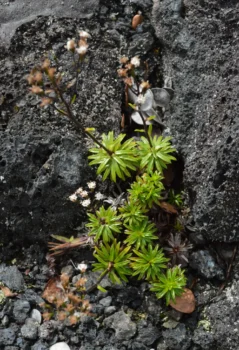
Rough dubautia is a perennial shrub that typically grows as a multi-stemmed woody plant, usually staying under 13-16 feet tall. True to its name, this plant sports distinctively textured, rough leaves that give it character and help it stand out from other native Hawaiian plants. During blooming season, it produces clusters of small, daisy-like flowers in white to cream colors that add a subtle elegance to any native garden.
As a member of the sunflower family, rough dubautia brings that familiar cheerful vibe but with a uniquely Hawaiian twist. Its compact, shrubby form makes it perfect for gardeners who want native authenticity without overwhelming their space.
Where Does Rough Dubautia Call Home?
This special plant is endemic to Hawaii, meaning you won’t find it growing wild anywhere else on Earth. Dubautia scabra grows naturally across the Hawaiian islands, making it a true local celebrity in the plant world.
- Species observed
- No observations
Important Conservation Note
Before you rush out to find rough dubautia for your garden, there’s something crucial you need to know. This plant has a Global Conservation Status of S3, which means it’s considered vulnerable. With only an estimated 3,000 to 10,000 individuals remaining in the wild, rough dubautia is fighting for its survival.
Does this mean you shouldn’t grow it? Absolutely not! In fact, responsible cultivation can help preserve this species. However, it does mean you should only purchase plants from reputable native plant nurseries that propagate their stock ethically, rather than collecting from wild populations.
Growing Rough Dubautia Successfully
The good news is that rough dubautia is surprisingly adaptable once you understand its preferences. Here’s what this Hawaiian native needs to thrive:
Climate Requirements
Rough dubautia is strictly a tropical plant, suitable only for USDA hardiness zones 10-11. If you live outside of Hawaii or similar tropical climates, this plant unfortunately won’t survive your winters outdoors.
Soil and Water Needs
Despite its vulnerable status in the wild, rough dubautia is actually quite resilient in the right conditions. It prefers well-draining soil and has a wetland status of Facultative Upland, meaning it usually grows in non-wetland areas but can tolerate some moisture. Once established, it’s fairly drought tolerant—a helpful trait for water-conscious gardeners.
Light Requirements
This adaptable shrub does well in full sun to partial shade, making it versatile for different garden locations. In its native habitat, it often grows in areas with bright, filtered light.
Perfect Garden Roles for Rough Dubautia
Wondering how to incorporate rough dubautia into your landscape? Here are some ideal uses:
- Native Hawaiian gardens: Essential for authentic island landscaping
- Conservation gardens: Help preserve endangered Hawaiian flora
- Naturalistic plantings: Creates habitat for native wildlife
- Erosion control: Shrub form helps stabilize soil
- Low-maintenance landscapes: Drought tolerance reduces watering needs
Supporting Hawaiian Ecosystems
By growing rough dubautia, you’re not just adding an interesting plant to your garden—you’re supporting Hawaiian ecosystems. This native shrub attracts native Hawaiian insects and other pollinators, helping maintain the intricate web of relationships that make island ecosystems so special and fragile.
Care and Maintenance
Once established, rough dubautia is refreshingly low-maintenance. Provide occasional deep watering during dry spells, but avoid overwatering. Light pruning after flowering can help maintain its shape and encourage bushier growth. Like many Hawaiian natives, it appreciates organic matter worked into the soil but doesn’t require heavy fertilization.
The Bottom Line
Rough dubautia offers gardeners a chance to grow something truly special—a piece of Hawaii’s unique natural heritage. While its vulnerable status means we must be thoughtful about sourcing, responsible cultivation of this remarkable shrub can actually help ensure its survival for future generations.
If you’re lucky enough to garden in tropical conditions and want to create an authentic Hawaiian landscape, seek out ethically propagated rough dubautia from reputable native plant specialists. You’ll be rewarded with a unique, low-maintenance shrub that connects your garden to the extraordinary biodiversity of the Hawaiian Islands.