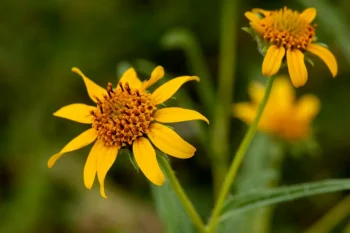
Rough False Goldeneye: A Hidden Gem for Southwest Native Gardens
Meet the rough false goldeneye (Heliomeris hispida), a charming annual wildflower that’s been quietly brightening up the American Southwest for centuries. This unassuming little native might not have the flashiest name, but it packs a serious punch when it comes to supporting local ecosystems and adding authentic regional character to your garden.
What Is Rough False Goldeneye?
Rough false goldeneye is a native annual forb – basically a non-woody flowering plant that completes its entire life cycle in one growing season. Don’t let the rough in its name intimidate you; this refers to the texture of its leaves rather than its temperament in the garden. You might also encounter this plant listed under its former scientific names, including Gymnolomia hispida or Viguiera ciliata, if you’re digging through older botanical references.
As a true southwestern native, this plant has evolved to thrive in the unique conditions of Arizona, California, New Mexico, and Utah. It’s perfectly adapted to the region’s challenging climate and soil conditions, making it an excellent choice for gardeners looking to work with nature rather than against it.
- Species observed
- No observations
Why Consider Rough False Goldeneye for Your Garden?
This humble wildflower offers several compelling reasons to earn a spot in your landscape:
- Authentic regional character: Nothing says Southwest like genuine native plants
- Pollinator magnet: The small, bright yellow daisy-like flowers attract native bees, butterflies, and other beneficial insects
- Low maintenance: Once established, it requires minimal water and care
- Natural beauty: Delicate yellow blooms appear in late summer through fall, extending your garden’s season
- Ecological value: Supports local wildlife and helps maintain regional biodiversity
Important Conservation Note
Before you rush out to find seeds, there’s something important to know: rough false goldeneye has a conservation status of S3S4, which indicates some level of concern about its populations. This doesn’t mean you can’t grow it – in fact, responsible cultivation can help support the species – but it does mean you should only obtain seeds or plants from reputable sources that collect sustainably or grow from ethically sourced stock.
Growing Rough False Goldeneye Successfully
Ideal Growing Conditions
This desert native thrives in conditions that would stress many other garden plants:
- Sunlight: Full sun exposure (6+ hours daily)
- Soil: Well-draining soils; tolerates poor, rocky, or sandy conditions
- Water: Drought tolerant once established; prefers minimal summer irrigation
- Climate: Best suited for USDA zones 7-10
Planting and Care Tips
Growing rough false goldeneye is refreshingly straightforward:
- Timing: Direct sow seeds in fall or early spring when temperatures are cool
- Soil prep: Minimal preparation needed; avoid rich, heavily amended soils
- Watering: Water gently until germination, then reduce frequency as plants establish
- Maintenance: Virtually none required; allow plants to self-seed for naturalized areas
Perfect Garden Roles
Rough false goldeneye shines in several landscape applications:
- Native wildflower gardens: Combines beautifully with other southwestern natives
- Xeriscapes: Adds color without increasing water demands
- Naturalized areas: Creates authentic regional meadow-like spaces
- Pollinator gardens: Provides late-season nectar when many other flowers have finished
The Bottom Line
If you’re gardening in the Southwest and want to support local ecosystems while adding authentic regional beauty, rough false goldeneye deserves serious consideration. Yes, you’ll need to source it responsibly due to conservation concerns, but that just makes it all the more special. This little annual proves that sometimes the most unassuming plants can make the biggest impact in both garden design and ecological health.
Just remember: work with reputable native plant sources, give it the well-draining conditions it craves, and then step back and let this southwestern gem do what it does best – creating habitat, supporting pollinators, and adding that unmistakable touch of authentic desert beauty to your landscape.