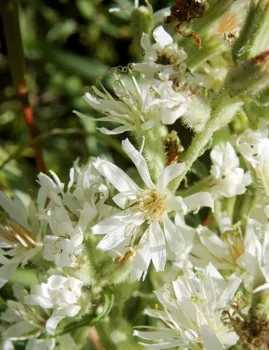
Rough Rattlesnakeroot: A Hidden Gem for Prairie Gardens
If you’re looking to add authentic prairie character to your landscape, rough rattlesnakeroot (Prenanthes aspera) might just be the unsung hero your garden needs. This native North American wildflower brings late-season interest and supports local wildlife, making it a valuable addition to any naturalized landscape.
What Is Rough Rattlesnakeroot?
Rough rattlesnakeroot is a perennial forb—that’s gardening speak for a non-woody flowering plant that comes back year after year. Despite its somewhat intimidating name, this plant is completely harmless and gets its moniker from traditional medicinal uses rather than any resemblance to actual rattlesnakes.
You might also encounter this plant listed under its former scientific name, Nabalus asperus, in older gardening references or plant databases.
Where Does It Call Home?
This prairie native has quite an impressive range across central and eastern North America. You’ll find rough rattlesnakeroot growing naturally from the Great Plains eastward, spanning states like Arkansas, Illinois, Indiana, Iowa, Kansas, Kentucky, Louisiana, Minnesota, Mississippi, Missouri, Nebraska, Ohio, Oklahoma, Pennsylvania, South Dakota, Tennessee, Texas, and Wisconsin, plus parts of Ontario, Canada.
- Species observed
- No observations
Why Consider Rough Rattlesnakeroot for Your Garden?
Here’s what makes this prairie wildflower special:
- Late-season bloomer: When many other wildflowers are fading, rough rattlesnakeroot produces clusters of small, pale flowers that add subtle beauty to late summer and early fall gardens
- Pollinator magnet: The flowers attract butterflies, bees, and other beneficial insects during a time when nectar sources can be scarce
- Low maintenance: Once established, this tough prairie plant requires minimal care and can handle drought conditions
- Wildlife value: Seeds provide food for birds, and the plant supports various beneficial insects
- Authentic prairie character: Perfect for prairie restorations and naturalized landscapes
Growing Conditions and Care
Rough rattlesnakeroot is surprisingly adaptable, thriving in USDA hardiness zones 3 through 8. Here’s what it prefers:
- Sunlight: Full sun to partial shade, though it performs best with at least 6 hours of direct sunlight
- Soil: Tolerates various soil types, including clay soils that challenge other plants
- Water: Drought tolerant once established, making it perfect for low-water landscapes
- Space: Can reach 2-4 feet tall, so give it room to spread naturally
Planting and Establishment Tips
Getting rough rattlesnakeroot established in your garden is straightforward:
- Direct seed in fall for natural stratification, or start seeds indoors in late winter
- Plant in spring after the last frost if using transplants
- Water regularly during the first growing season to help establish roots
- Once established, minimal intervention is needed—this plant thrives on benign neglect
- Allow plants to self-seed if you want natural spreading
Important Conservation Note
In some areas, particularly Arkansas prairies, rough rattlesnakeroot has a rarity status of S2S3, meaning it’s somewhat uncommon to rare in that region. If you’re interested in growing this plant, please source seeds or plants from reputable native plant suppliers who use responsibly collected material rather than wild-harvesting from natural populations.
Best Garden Uses
Rough rattlesnakeroot shines in:
- Prairie gardens and restorations
- Native plant gardens
- Naturalized areas and meadows
- Wildlife gardens focused on supporting pollinators and birds
- Low-maintenance landscapes in rural or suburban settings
The Bottom Line
While rough rattlesnakeroot might not win any beauty contests with flashy flowers, its ecological value and authentic prairie character make it a worthy addition to the right garden. If you’re passionate about supporting native wildlife, creating sustainable landscapes, or restoring prairie ecosystems, this humble wildflower deserves a spot in your planting plans. Just remember to source it responsibly and let it do what it does best—quietly support the local ecosystem while adding genuine prairie charm to your landscape.