Roundleaf Sundew: The Sparkling Carnivorous Native That’s Perfect for Bog Gardens
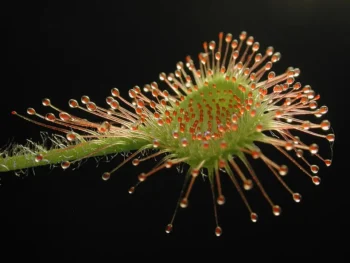
Meet one of nature’s most fascinating little predators: the roundleaf sundew (Drosera rotundifolia). This tiny carnivorous plant might look delicate with its jewel-like droplets sparkling in the sunlight, but don’t be fooled – it’s a skilled hunter that adds both beauty and intrigue to specialized garden settings.
What Makes Roundleaf Sundew Special
The roundleaf sundew is a small perennial forb that captures attention with its unique hunting strategy. Its round, reddish-green leaves are covered in tiny tentacles tipped with sticky, sweet-smelling droplets that glisten like morning dew. These dewdrops are actually a clever trap – small insects get stuck in the goo and become the plant’s next meal. In summer, the plant sends up delicate stems topped with small white or pink flowers, adding an ethereal touch to its carnivorous nature.
A True North American Native
This remarkable plant is native across an impressive range, from Alaska and Canada down through the lower 48 states, and even extends to Greenland and St. Pierre and Miquelon. You can find roundleaf sundew growing naturally in states spanning from Alabama to Alaska, and from California to Maine. It’s truly a continent-wide native that has adapted to diverse climates and conditions.
- Species observed
- No observations
Important Rarity Considerations
Before you rush to add this plant to your garden, there’s something important to know: roundleaf sundew has a rarity status of S1 in Alabama, meaning it’s critically rare in that state. If you’re interested in growing this species, please ensure you source it responsibly from reputable nurseries that propagate their plants rather than collecting from wild populations.
Growing Conditions: It’s All About the Bog Life
Here’s where things get interesting – and a bit challenging. Roundleaf sundew is an obligate wetland plant across all regions where it grows, meaning it almost always occurs in wetlands. This specialized habitat requirement makes it quite different from your typical garden plants.
The key growing conditions include:
- Constantly wet, acidic soil (think sphagnum bog conditions)
- Nutrient-poor growing medium – this plant actually prefers bad soil
- Full sun to partial shade
- Distilled water or rainwater only (tap water can be harmful)
- USDA hardiness zones 2-7
Perfect Garden Settings
Roundleaf sundew isn’t suited for traditional flower beds, but it shines in specialized garden settings:
- Bog gardens and water features
- Carnivorous plant collections
- Native wetland restoration projects
- Educational or children’s gardens
- Container bog gardens on patios or decks
Planting and Care Tips
Growing roundleaf sundew successfully requires mimicking its natural bog habitat:
Soil: Use a mix of sphagnum moss and perlite, or pure live sphagnum moss. Avoid regular potting soil or compost.
Water: Keep the soil constantly saturated using only distilled water, rainwater, or reverse osmosis water. Many growers use the tray method – placing pots in shallow trays of water.
Fertilizer: Never fertilize! The plant gets its nutrients from catching insects, and fertilizer can actually harm or kill it.
Dormancy: In colder zones, allow the plant to go dormant in winter – the above-ground growth will die back, but it will return in spring.
Wildlife and Pollinator Benefits
While roundleaf sundew does catch small insects, it also provides benefits to the ecosystem. Its flowers attract tiny pollinators like small flies and gnats. The plant plays a role in bog ecosystems and can be part of native wetland habitat restoration efforts.
Should You Grow Roundleaf Sundew?
This plant is perfect for gardeners who:
- Love unique, conversation-starting plants
- Are interested in carnivorous plants
- Have or want to create bog garden conditions
- Enjoy educational gardening projects with children
- Are committed to specialized care requirements
However, it might not be the right choice if you’re looking for low-maintenance plants or traditional garden specimens. The specialized growing requirements mean this plant needs dedicated attention and specific conditions to thrive.
If you’re fascinated by the idea of growing a native carnivorous plant and ready to create the bog-like conditions it needs, roundleaf sundew can be an incredibly rewarding addition to your garden. Just remember to source it responsibly and be prepared for a gardening adventure that’s quite different from growing typical garden plants!