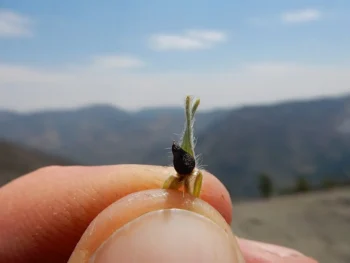
Roundspike Cryptantha: A Hidden Gem for Western Native Gardens
If you’re looking for a tough, drought-tolerant native plant that asks for almost nothing but gives back plenty, let me introduce you to roundspike cryptantha (Cryptantha humilis). This unassuming little perennial might not win any flashy flower contests, but it’s exactly the kind of reliable, hardworking plant that makes native gardening so rewarding.
What Is Roundspike Cryptantha?
Roundspike cryptantha is a native perennial forb that belongs to the borage family. As a forb, it’s an herbaceous plant without woody stems – think of it as the plant world’s equivalent of a dependable friend who’s always there when you need them. This little powerhouse is built to last, returning year after year with minimal fuss.
True to its native status, roundspike cryptantha calls the American West home, naturally occurring across Arizona, California, Colorado, Idaho, Montana, Nevada, Oregon, and Utah. It’s perfectly adapted to the challenging conditions of western landscapes, making it an ideal choice for gardeners in these regions who want to work with nature rather than against it.
- Species observed
- No observations
Why Choose Roundspike Cryptantha for Your Garden?
Here’s where this humble plant really shines. Roundspike cryptantha produces clusters of small white flowers arranged in distinctive rounded spikes – hence the common name. While individually tiny, these flowers pack together to create charming, dense displays that have their own quiet beauty.
But the real magic happens when pollinators discover your roundspike cryptantha. Native bees and other small pollinators absolutely love these flowers, making this plant a valuable addition to any pollinator garden. It’s like setting up a neighborhood café that only the locals know about – small but essential.
Perfect Garden Scenarios
Roundspike cryptantha thrives in several garden situations:
- Rock gardens: Its compact growth habit makes it perfect for tucking between stones
- Xerophytic gardens: Built for dry conditions, it’s a natural fit for water-wise landscapes
- Native plant gardens: Provides authentic regional character
- Wildflower meadows: Adds subtle texture and pollinator value
- Ground cover applications: Low-maintenance coverage for difficult areas
Growing Conditions and Care
The beauty of roundspike cryptantha lies in its simplicity. This plant prefers full sun and well-draining soil – conditions that many western gardens naturally provide. Once established, it’s remarkably drought tolerant, embodying the plant it and forget it philosophy that makes native gardening so appealing.
Roundspike cryptantha is hardy in USDA zones 4-8, covering most of its native range. The key to success is avoiding the temptation to overwater. Like many western natives, this plant has evolved to make the most of limited water resources, and too much moisture can actually harm it.
Planting and Establishment Tips
Getting roundspike cryptantha established is straightforward:
- Choose a sunny location with good drainage
- Plant in fall when possible to take advantage of winter moisture
- Water occasionally during the first growing season to help establishment
- Once established, reduce watering significantly
- Avoid fertilizing – this plant thrives in lean soils
The most common mistake gardeners make with roundspike cryptantha is treating it like a typical garden perennial. Remember, this plant evolved in challenging conditions and actually performs better with a bit of benign neglect.
The Bottom Line
Roundspike cryptantha might not be the showiest plant in your garden, but it’s the kind of steady performer that forms the backbone of successful native landscapes. It offers reliable pollinator support, requires minimal care once established, and provides authentic regional character that connects your garden to the broader western ecosystem.
If you’re building a native garden in the American West, roundspike cryptantha deserves serious consideration. It’s proof that sometimes the best plants are the ones that simply do their job well, year after year, without making a big fuss about it.