Roundtip Twinpod: A Rare Mountain Gem for Specialized Gardens
Meet the roundtip twinpod (Physaria vitulifera), a charming little perennial that calls the high mountains of Colorado and Wyoming home. This native wildflower might not be the showiest plant in your garden center, but for those seeking something truly special and regionally authentic, it’s a hidden treasure worth considering – with some important caveats.
What Makes Roundtip Twinpod Special?
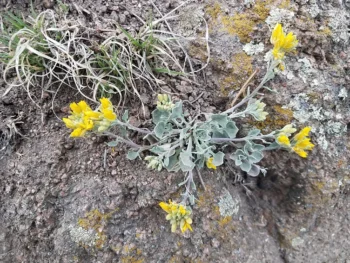
This delightful forb produces clusters of bright yellow, four-petaled flowers that seem to glow against its silvery-green foliage in late spring. The plant forms low, compact rosettes that hug the ground, making it perfect for tucking into rock crevices or creating subtle ground cover in specialized garden settings.
As a true mountain native, roundtip twinpod has adapted to harsh conditions that would challenge many garden plants. Its silvery leaves aren’t just attractive – they’re equipped to handle intense UV rays and temperature swings that come with high-altitude living.
Where Does It Grow Naturally?
Roundtip twinpod is naturally found in Colorado and Wyoming, where it thrives in high-elevation environments. This plant has chosen some pretty exclusive real estate – typically growing on rocky slopes, alpine meadows, and areas where few other plants dare to venture.
- Species observed
- No observations
Important Conservation Considerations
Here’s where things get serious: roundtip twinpod carries a Global Conservation Status of S3, meaning it’s considered vulnerable in the wild. With only an estimated 21-100 populations and between 3,000-10,000 individual plants remaining, this species needs our protection.
If you’re interested in growing roundtip twinpod, please only source it from reputable native plant nurseries that propagate from ethically collected seeds – never dig plants from the wild. Better yet, consider supporting conservation efforts for this species instead of or in addition to growing it.
Is This Plant Right for Your Garden?
Roundtip twinpod isn’t for every garden or every gardener. Here’s who might want to consider it:
- Rock garden enthusiasts in USDA zones 3-6
- Alpine garden specialists
- Native plant conservationists
- Xeriscaping devotees in appropriate climates
- Pollinator garden designers seeking unusual natives
This plant won’t work well in typical suburban landscapes, formal gardens, or areas with rich, moist soil. It’s definitely a specialist’s plant that requires specific conditions to thrive.
Growing Conditions and Care
Think mountain meadow when planning for roundtip twinpod:
- Sunlight: Full sun is essential
- Soil: Well-draining, rocky or sandy soil with alkaline pH
- Water: Minimal once established; excellent drainage is critical
- Climate: Cold-hardy (zones 3-6) but may struggle in hot, humid conditions
Planting and Care Tips
If you’ve sourced this rare beauty responsibly, here’s how to give it the best chance:
- Plant in spring after the last frost
- Ensure drainage is absolutely perfect – this plant will rot in soggy soil
- Start small and be patient; mountain plants often grow slowly
- Avoid fertilizing – these plants are adapted to lean soils
- Mulch with gravel or small stones rather than organic matter
- Once established, avoid disturbing the root system
Wildlife and Pollinator Benefits
While small, roundtip twinpod’s bright yellow flowers attract native bees and other small pollinators during its blooming period. In its natural habitat, it plays a role in supporting high-elevation pollinator communities that have co-evolved with these specialized plants.
The Bottom Line
Roundtip twinpod is a fascinating native plant that offers a unique opportunity to grow something truly special and regionally significant. However, its rarity means that conservation should be your primary consideration. If you decide to grow it, make sure you’re supporting ethical propagation practices and consider whether your garden can truly provide the specialized conditions this mountain native needs.
For most gardeners, supporting in-situ conservation efforts or visiting this plant in its natural habitat might be more beneficial than trying to grow it at home. But for those with the right conditions and commitment to conservation, roundtip twinpod can be a rewarding addition to a specialized native plant collection.