Royal False Pawpaw: A Rare Florida Treasure Worth Protecting
If you’re passionate about native plants and conservation, you might have heard whispers about the royal false pawpaw (Deeringothamnus pulchellus). This little-known Florida endemic is one of the rarest shrubs in North America, and for good reason – it’s absolutely fascinating! But before you get excited about adding one to your garden, there are some important things you need to know about this critically endangered beauty.
What Makes Royal False Pawpaw Special?
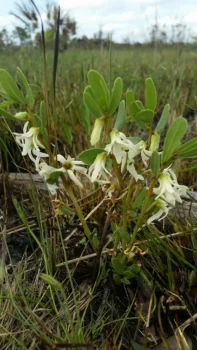
Despite its common name suggesting a connection to pawpaws, the royal false pawpaw is actually quite different from its more famous cousins. This petite perennial shrub typically stays under 1.5 feet tall and rarely exceeds 3 feet at maturity, making it a true dwarf among native shrubs. You might also see it listed under its scientific synonym, Asimina pulchella.
What really sets this plant apart are its charming small flowers that bloom in spring. The white to cream-colored petals are adorned with subtle purple markings, creating a delicate display that attracts specialized pollinators like small flies and beetles. It’s not flashy, but there’s something quietly elegant about this understated bloomer.
Where Does Royal False Pawpaw Grow?
Here’s where things get really interesting (and concerning): royal false pawpaw is found exclusively in Florida, specifically in the state’s unique scrub habitats. This incredibly limited range makes it one of Florida’s most geographically restricted native plants.
- Species observed
- No observations
The Conservation Reality
Now for the important part – royal false pawpaw carries a Global Conservation Status of S1, meaning it’s critically imperiled. With typically 5 or fewer occurrences and very few remaining individuals (less than 1,000), this species is listed as Endangered in the United States. This isn’t just rare – it’s on the brink.
If you’re considering growing royal false pawpaw, you absolutely must source it responsibly. Never collect from the wild, and only purchase from reputable native plant nurseries that can verify their plants were propagated, not wild-collected. Better yet, consider supporting conservation efforts for this species instead of trying to grow it yourself.
Growing Conditions and Care
Should you find ethically sourced royal false pawpaw, here’s what it needs to thrive:
- Climate: USDA hardiness zones 9-10 only
- Soil: Sandy, extremely well-draining soils that mimic Florida scrub conditions
- Sun: Full sun to partial shade
- Water: Drought tolerant once established; excellent drainage is critical
- Wetland status: Facultative, meaning it can handle both wet and dry conditions
Be prepared for patience – this is an extremely slow-growing plant that takes its sweet time establishing. Think of it as the tortoise of the shrub world.
Garden Role and Landscape Use
Royal false pawpaw isn’t your typical landscape shrub. It’s best suited for:
- Specialized native plant collections
- Conservation-focused gardens
- Florida scrub habitat restoration projects
- Educational gardens highlighting endangered species
This isn’t a plant for the casual gardener – it’s for dedicated native plant enthusiasts who understand the responsibility that comes with growing something so rare.
The Bottom Line
Royal false pawpaw represents both the incredible diversity of Florida’s native flora and the urgent need for conservation. While it’s tempting to want this rare beauty in your garden, the most responsible approach is to support habitat conservation and research efforts instead. If you do choose to grow it, make absolutely certain your plant comes from legitimate propagation efforts, not wild collection.
Sometimes the best way to love a plant is to protect it in the wild rather than bringing it home. Royal false pawpaw is definitely one of those times.