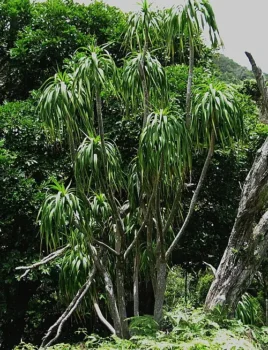
Royal Hala Pepe: A Rare Hawaiian Native Worth Protecting
If you’re passionate about Hawaiian native plants and conservation gardening, you’ve probably never heard of royal hala pepe (Pleomele halapepe). And honestly, that’s not surprising – this little-known native Hawaiian subshrub is one of the islands’ botanical treasures that’s flying under the radar, partly because it’s become quite rare in the wild.
What Makes Royal Hala Pepe Special
Royal hala pepe is a charming perennial subshrub that stays refreshingly compact, typically growing less than 1.5 feet tall and never exceeding 3 feet at maturity. This low-growing nature makes it an intriguing option for gardeners who want to incorporate authentic Hawaiian flora without overwhelming their landscape design.
As a true Hawaiian native, this plant species grows exclusively in Hawaii, making it a genuine piece of the islands’ natural heritage. For gardeners committed to using indigenous plants, royal hala pepe represents an opportunity to support local ecosystems while adding something truly unique to their landscape.
- Species observed
- No observations
The Conservation Reality
Here’s where things get serious, though. Royal hala pepe carries a Global Conservation Status of S2, which translates to Imperiled. This means the species is extremely rare, with typically only 6 to 20 known occurrences and somewhere between 1,000 to 3,000 remaining individuals. Various factors have made this plant especially vulnerable to disappearing entirely.
What this means for gardeners: If you’re considering adding royal hala pepe to your garden, you absolutely must source it responsibly. Only work with reputable native plant nurseries that can guarantee their plants come from ethical propagation programs, not wild collection.
Growing Challenges and Unknowns
Unfortunately, detailed growing information for royal hala pepe is quite limited, which reflects both its rarity and the specialized knowledge needed to cultivate it successfully. What we do know is that as a Hawaiian native, it evolved in tropical conditions and likely requires:
- Warm, frost-free environments
- Conditions that mimic its native Hawaiian habitat
- Specialized care that may require consultation with native plant experts
The lack of readily available growing guides means that cultivating royal hala pepe isn’t a project for beginners. You’ll likely need to connect with Hawaiian botanical gardens, native plant societies, or conservation organizations to get proper guidance.
Should You Plant Royal Hala Pepe?
The answer depends on your commitment level and access to expertise. If you’re an experienced native plant gardener in Hawaii with connections to conservation programs, growing royal hala pepe could be a meaningful way to participate in species preservation. However, if you’re new to native Hawaiian plants or looking for something low-maintenance, you might want to start with more common Hawaiian natives first.
Consider these factors before deciding:
- Experience level: This plant likely requires specialized knowledge
- Sourcing: You must ensure responsible, non-wild sourcing
- Purpose: Are you gardening for conservation or just aesthetics?
- Support network: Do you have access to expert guidance?
The Bottom Line
Royal hala pepe represents the intersection of gardening and conservation. While its rarity makes it challenging to grow and source responsibly, it also makes it incredibly valuable for preservation efforts. If you have the expertise and ethical sourcing options, growing this imperiled Hawaiian native could be your small contribution to keeping a unique species from disappearing forever.
Just remember: with great botanical rarity comes great responsibility. Make sure you’re up for the challenge before taking on this special Hawaiian treasure.