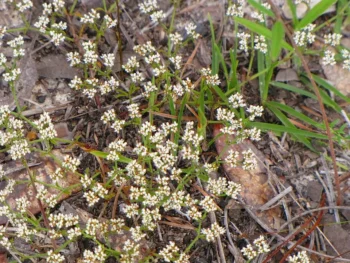
Rugel’s Nailwort: A Rare Native Gem for Specialized Gardens
If you’re looking for a truly unique addition to your native plant collection, Rugel’s nailwort (Paronychia rugelii) might just be the hidden treasure you’ve been seeking. This tiny annual forb may not win any beauty contests, but it packs a big punch when it comes to supporting local ecosystems and adding authentic character to specialized garden spaces.
What Is Rugel’s Nailwort?
Rugel’s nailwort is a small, herbaceous annual that belongs to the fascinating world of native southeastern plants. As a forb, it lacks woody stems and relies on its perennating buds at or below ground level to survive. Don’t expect a showstopper—this little plant is all about subtle charm and ecological importance rather than flashy blooms.
Where Does It Call Home?
This southeastern native has a pretty exclusive address list, naturally occurring in just two states: Florida and Georgia. Its limited range makes it a special find for gardeners in these areas who want to showcase truly local flora.
- Species observed
- No observations
A Plant That Needs Our Help
Here’s where things get serious: Rugel’s nailwort is considered rare. With a global conservation status of S2? (meaning its status is somewhat undefined but concerning) and an S1 rating in Alabama (indicating it’s critically rare there), this little plant needs our thoughtful attention.
Important note for gardeners: If you decide to grow Rugel’s nailwort, please only use responsibly sourced material. This means purchasing from reputable native plant nurseries or participating in seed collection programs that follow ethical guidelines. Never collect plants or seeds from wild populations.
Why Grow Rugel’s Nailwort?
You might be wondering why you’d want to grow such an inconspicuous plant. Here are some compelling reasons:
- Support local biodiversity by growing a truly native species
- Create authentic habitat in naturalized areas
- Add ecological integrity to rock gardens and specialized native plantings
- Participate in conservation efforts for rare plants
- Enjoy the satisfaction of successfully growing something truly unique
What to Expect in Your Garden
Rugel’s nailwort won’t dominate your landscape, and that’s exactly the point. This small annual produces tiny white to greenish flowers that may attract small insects, though don’t expect crowds of butterflies. Its role is more about providing authentic ground-level habitat and supporting the intricate web of native ecosystems.
As an annual, you’ll need to allow it to self-seed or replant each year. The good news? Once established in suitable conditions, it often manages this process quite well on its own.
Growing Conditions and Care
Based on its native habitat, Rugel’s nailwort thrives in:
- Hardiness zones: 8-10 (matching its native southeastern range)
- Soil: Well-drained, sandy soils that mimic its natural habitat
- Light: Full sun to partial shade
- Water: Once established, it’s quite drought tolerant
- Maintenance: Minimal—this plant prefers to be left alone
Planting and Care Tips
Growing Rugel’s nailwort successfully requires patience and attention to detail:
- Direct seed in fall or early spring when temperatures are cool
- Prepare a well-drained planting area—avoid heavy clay soils
- Keep soil lightly moist during germination, then reduce watering
- Allow plants to complete their life cycle and drop seeds naturally
- Avoid fertilizing—native plants often prefer lean soils
- Be patient—establishment may take a season or two
Is This Plant Right for Your Garden?
Rugel’s nailwort is perfect for gardeners who:
- Live within its native range (Florida and Georgia)
- Are committed to supporting rare native plants
- Enjoy naturalized or rock garden settings
- Appreciate subtle beauty over flashy displays
- Want to participate in plant conservation efforts
However, it might not be the best choice if you’re looking for dramatic color, easy availability, or low-maintenance options for beginners.
A Final Word on Conservation
By choosing to grow Rugel’s nailwort responsibly, you’re not just adding a plant to your garden—you’re participating in conservation. Every responsibly grown specimen helps ensure this rare native continues to thrive for future generations. Just remember: source responsibly, grow thoughtfully, and enjoy being part of this plant’s conservation story.