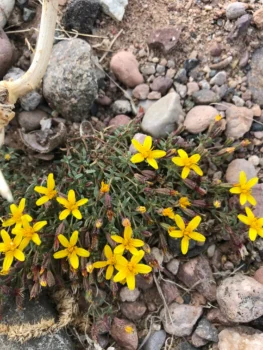
Rusby’s Chinchweed: A Charming Desert Native Worth Protecting
If you’re looking to add authentic Southwestern charm to your desert garden, Rusby’s chinchweed (Pectis rusbyi) might just be the delightful native annual you’ve been seeking. This petite wildflower brings a touch of golden sunshine to Arizona’s desert landscapes, but there’s more to this little plant than meets the eye.
What Makes Rusby’s Chinchweed Special
Rusby’s chinchweed is a true Arizona native, belonging to the sunflower family and classified as an annual forb. Unlike woody shrubs or trees, this little beauty completes its entire life cycle in a single growing season, making it a perfect addition to gardens that celebrate the natural rhythms of the desert.
Also known scientifically as Pectis rusbyi (and formerly classified as Pectis palmeri), this charming wildflower is found exclusively in Arizona within the United States. Its limited distribution makes it a special treasure for native plant enthusiasts.
- Species observed
- No observations
A Plant Worth Protecting
Here’s where things get interesting – and important. Rusby’s chinchweed carries a Global Conservation Status of S3S4, indicating it may face some conservation challenges. This means that while you can certainly grow this beauty in your garden, it’s crucial to source seeds or plants responsibly from reputable native plant nurseries or seed suppliers who collect sustainably.
Garden Appeal and Design Role
Don’t let its humble size fool you – Rusby’s chinchweed punches above its weight in the charm department. This annual produces small, cheerful yellow flowers that add seasonal interest to desert gardens. Its delicate appearance makes it perfect for:
- Wildflower meadows and naturalized areas
- Desert and xeriscape gardens
- Native plant collections
- Seasonal color in rock gardens
Supporting Desert Wildlife
Like many members of the sunflower family, Rusby’s chinchweed serves as a valuable resource for desert pollinators. Its small composite flowers attract native bees, butterflies, and other beneficial insects, making it an excellent choice for gardeners interested in supporting local ecosystems.
Growing Rusby’s Chinchweed Successfully
The good news? This desert native is refreshingly low-maintenance once you understand its preferences. As a true child of the Sonoran Desert, it thrives in conditions that might challenge other plants:
Ideal Growing Conditions
- Sunlight: Full sun exposure
- Soil: Well-draining sandy or rocky soils
- Water: Minimal irrigation once established
- Climate: USDA Hardiness Zones 9-11
Planting and Care Tips
Since Rusby’s chinchweed is an annual, you’ll want to start with seeds. The best approach is direct seeding in your garden during fall or early spring, allowing natural winter moisture to help with germination. Once established, this drought-tolerant native requires very little intervention – just the way desert plants like it!
Remember to water sparingly, as overwatering can actually harm this desert-adapted species. Let nature take the lead, and you’ll be rewarded with authentic desert blooms.
The Bottom Line
Rusby’s chinchweed offers gardeners a wonderful opportunity to grow a true Arizona endemic while supporting conservation efforts. Its cheerful flowers, pollinator benefits, and authentic desert character make it a worthwhile addition to appropriate gardens. Just remember to source your seeds responsibly and give this special native the well-draining, sunny conditions it craves.
Whether you’re creating a dedicated native plant garden or simply want to add some authentic Southwestern flair to your landscape, Rusby’s chinchweed proves that sometimes the most treasured plants come in the smallest packages.