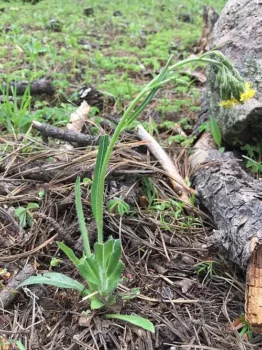
Rusby’s Hawkweed: A Rare Southwestern Native Worth Protecting
If you’re passionate about native plants and happen to garden in the American Southwest, you might want to learn about Rusby’s hawkweed (Hieracium rusbyi). This unassuming perennial wildflower represents something special in the world of native gardening – a plant that’s both regionally appropriate and genuinely rare.
What Is Rusby’s Hawkweed?
Rusby’s hawkweed is a native perennial forb that belongs to the sunflower family. As a forb, it’s an herbaceous plant without woody stems, storing its energy in underground parts to return each growing season. Don’t let the simple description fool you – this little wildflower has earned its place in the botanical world through sheer persistence in some pretty challenging environments.
Where Does It Grow?
This hawkweed calls the mountains and highlands of Arizona and New Mexico home. It’s truly a child of the American Southwest, adapted to the unique conditions found in this region’s elevated areas. Unlike some native plants with vast ranges, Rusby’s hawkweed keeps things local – you won’t find it naturally growing anywhere else in the world.
- Species observed
- No observations
Why You Should Care (And Be Careful)
Here’s where things get interesting – and important. Rusby’s hawkweed carries a Global Conservation Status of S2?, which essentially means it’s uncommon and potentially vulnerable. This isn’t a plant you’ll find at your local garden center, and that’s actually part of what makes it significant.
If you’re considering adding this species to your garden, you absolutely must ensure any plants or seeds come from responsible, ethical sources. Never collect from wild populations – doing so could harm the very populations we’re trying to protect.
Garden Appeal and Design Role
Rusby’s hawkweed won’t win any awards for showiness, but it has that understated charm that many native plant enthusiasts love. Expect small yellow composite flowers typical of the hawkweed family, emerging from neat basal rosettes of narrow leaves. It’s the kind of plant that adds authentic southwestern character to native gardens without demanding center stage.
This makes it perfect for:
- Native plant gardens focused on regional authenticity
- Naturalized wildflower areas
- Rock gardens with southwestern themes
- Xeriscape designs that celebrate local flora
Growing Conditions and Care
Based on its natural habitat in Arizona and New Mexico’s mountainous regions, Rusby’s hawkweed likely prefers well-drained soils and can handle the temperature swings typical of higher elevations. Think full sun to partial shade, moderate to low water requirements once established, and the kind of soil drainage that prevents soggy roots.
For USDA hardiness zones, you’re probably looking at zones 6-9, though this varies with elevation and local microclimates in its native range.
Wildlife and Pollinator Benefits
While specific wildlife relationships for this species aren’t well-documented, hawkweeds generally provide nectar for small bees, flies, and other pollinators. Native plants like this often have subtle but important ecological relationships that we’re still discovering.
The Bottom Line
Should you plant Rusby’s hawkweed? If you garden in Arizona or New Mexico and can source it responsibly, it could be a meaningful addition to a native plant collection. However, given its rarity, consider it more of a conservation effort than a typical gardening project.
For most southwestern gardeners, there are plenty of other native hawkweeds and wildflowers that can provide similar garden benefits without the conservation concerns. But if you’re serious about regional native plants and committed to responsible sourcing, Rusby’s hawkweed represents a chance to help preserve a piece of southwestern botanical heritage right in your own backyard.
Remember: with rare plants comes responsibility. Garden thoughtfully, source ethically, and help ensure that future generations can enjoy these unique pieces of our native landscape.