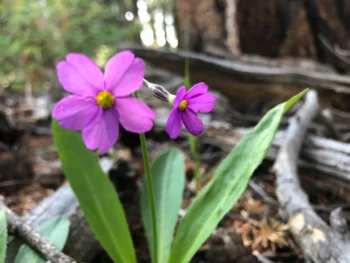
Rusby’s Primrose: A Rare Southwestern Gem for the Adventurous Gardener
If you’re drawn to rare and unusual native plants, Rusby’s primrose (Primula rusbyi) might just capture your heart. This delicate perennial primrose is a true southwestern specialty, bringing a touch of high-altitude charm to gardens willing to meet its specific needs. But before you fall head over heels for this beauty, there are some important things you should know.
What Makes Rusby’s Primrose Special
Rusby’s primrose is a native forb—essentially a soft-stemmed flowering plant—that calls the mountains of Arizona and New Mexico home. Like other primroses, it forms attractive rosettes of leaves topped with delicate, five-petaled flowers. This perennial beauty has adapted to life in high-elevation environments, making it quite different from your typical garden primrose.
You might also see this plant listed under its synonym, Primula ellisiae, but rest assured—it’s the same charming species either way.
Where Does It Grow Naturally
This primrose has a fairly limited native range, growing naturally only in Arizona and New Mexico. It’s typically found in montane and subalpine environments where conditions are cool and moist—quite different from the hot, dry conditions many people associate with the Southwest.
- Species observed
- No observations
A Word About Rarity
Here’s where things get important: Rusby’s primrose has a conservation status that suggests it may be uncommon to rare in its native habitat. This means if you’re interested in growing this plant, you’ll want to be extra careful about sourcing it responsibly. Always purchase from reputable native plant nurseries that propagate their own stock rather than collecting from wild populations.
Is It Right for Your Garden
Let’s be honest—Rusby’s primrose isn’t for everyone. This plant has some pretty specific requirements that can make it challenging to grow successfully:
- It needs cool, moist conditions similar to its high-elevation native habitat
- Requires excellent drainage to prevent root rot
- Performs best in USDA hardiness zones 4-7
- May struggle in hot, humid climates or areas with intense summer heat
However, if you have the right conditions—think rock gardens, alpine gardens, or cool woodland areas—this native beauty can be a real showstopper.
Garden Design Ideas
Rusby’s primrose works beautifully in:
- Rock gardens where it can nestle between stones
- Alpine or mountain-themed garden sections
- Native plant gardens focused on southwestern species
- Specialized wildflower gardens
- Cool, partially shaded woodland edges
Its low-growing, rosette form makes it perfect as a ground cover in small areas or as an accent plant among other alpine species.
Growing Conditions and Care
Success with Rusby’s primrose depends on mimicking its natural mountain habitat:
- Soil: Well-draining, rocky or sandy soil that doesn’t stay soggy
- Moisture: Consistent moisture but never waterlogged—think moist but not wet
- Light: Partial shade to full sun, depending on your climate (more shade in hotter areas)
- Temperature: Cool conditions; struggles in hot, humid weather
The plant has a facultative wetland status, meaning it can handle both wetland and non-wetland conditions, but the key is good drainage combined with adequate moisture.
Benefits for Wildlife
Like many native primroses, Rusby’s primrose likely provides nectar for small pollinators including native bees and possibly butterflies. Every native plant we add to our gardens helps support local ecosystems, even if it’s in a small way.
The Bottom Line
Rusby’s primrose is a special plant for gardeners who appreciate rare natives and have the right growing conditions. It’s not a beginner plant, and it’s definitely not suitable for every garden situation. But if you have a cool, well-drained spot and access to responsibly sourced plants, it can be a wonderful addition to a native plant collection.
Just remember—with great beauty comes great responsibility. If you decide to grow this rare primrose, make sure you’re supporting conservation efforts by choosing nursery-propagated plants and never collecting from the wild.