Rush Featherling: A Rare Wetland Gem Worth Protecting
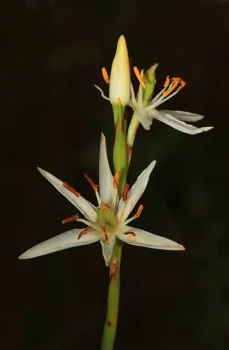
If you’ve never heard of rush featherling (Pleea tenuifolia), you’re not alone. This delicate native perennial is one of those special plants that flies under the radar, quietly doing important work in some of the Southeast’s most precious wetland habitats. While it might not be the showstopper that grabs attention at your local garden center, this little forb has a story worth telling.
What Makes Rush Featherling Special
Rush featherling is a true native of the southeastern United States, naturally occurring in Alabama, Florida, North Carolina, and South Carolina. This perennial forb – that’s garden-speak for a non-woody flowering plant – has earned its place in some pretty exclusive company. In Alabama, it carries a rarity status of S1S2, which essentially means it’s quite rare and potentially vulnerable.
- Species observed
- No observations
The plant itself is quite modest in appearance, with narrow, grass-like leaves that give it part of its common name. Its small white flowers cluster at the top of slender stems, creating a delicate display that’s more about subtle beauty than bold statements. You might also see it referenced by its synonym, Tofieldia tenuifolia, in older botanical references.
A Wetland Specialist
Here’s where rush featherling gets really interesting – and really challenging for the average gardener. This plant is what we call an obligate wetland species in both the Atlantic and Gulf Coastal Plain region and the Eastern Mountains and Piedmont region. That’s a fancy way of saying it almost always needs wetland conditions to survive and thrive.
This isn’t a plant that will tolerate the occasional dry spell or adapt to your average garden bed. Rush featherling has evolved to live in consistently moist to wet, acidic soils where many other plants would struggle. Think bogs, wet pine savannas, and similar specialized habitats.
Should You Grow Rush Featherling?
This is where we need to have an honest conversation. While rush featherling is undeniably important for biodiversity and wetland health, it’s not a plant for most home gardeners. Here’s why:
- It requires very specific wetland conditions that are difficult to replicate in typical landscapes
- Its rarity means finding responsibly sourced plants can be challenging
- It’s naturally adapted to specialized habitats that don’t translate well to conventional gardens
However, if you’re one of those dedicated gardeners working on wetland restoration, have a natural bog on your property, or are creating a specialized native wetland garden, rush featherling could be a meaningful addition – but only if you can source it responsibly from reputable native plant nurseries that propagate rather than wild-collect.
Growing Conditions for the Brave
If you’re determined to try growing rush featherling, here’s what you need to know:
- Consistently moist to wet, acidic soils are absolutely essential
- Full sun to partial shade works best
- USDA hardiness zones 7-9, based on its natural range
- Think bog garden conditions rather than typical perennial border
The plant will likely struggle in zones outside its natural range or in any location that doesn’t maintain consistent moisture levels throughout the growing season.
Conservation Over Cultivation
Perhaps the most important thing to understand about rush featherling is that its greatest value might not be in our gardens, but in protecting the wild places where it naturally occurs. As development pressures continue to impact wetland habitats across the Southeast, plants like rush featherling serve as important indicators of ecosystem health.
If you’re passionate about supporting this species, consider supporting wetland conservation efforts, participating in habitat restoration projects, or choosing other native wetland plants that are more readily available and easier to establish in garden settings.
The Bottom Line
Rush featherling is a fascinating example of how specialized some of our native plants can be. While it may not be practical for most home landscapes, understanding plants like this helps us appreciate the incredible diversity of our native flora and the importance of protecting the unique habitats where they thrive.
For most gardeners interested in supporting native wetland species, there are other wonderful options that are more readily available and easier to establish. But for those rare gardeners with the perfect conditions and access to responsibly sourced plants, rush featherling represents a unique opportunity to grow something truly special – a living reminder of the Southeast’s precious wetland heritage.