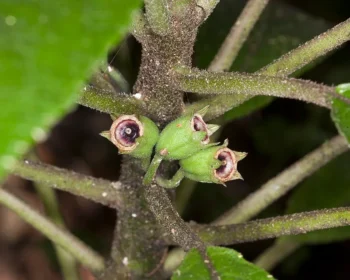
Rustyleaf Cyanea: A Rare Hawaiian Native Worth Protecting in Your Garden
If you’re passionate about Hawaiian native plants and conservation gardening, the rustyleaf cyanea (Cyanea hirtella) deserves a spot on your radar. This stunning member of the bellflower family isn’t just another tropical plant – it’s a vulnerable species that plays an important role in Hawaii’s native ecosystems and could use some help from dedicated gardeners like you.
What Makes Rustyleaf Cyanea Special?
Rustyleaf cyanea is a perennial shrub that’s endemic to the Hawaiian Islands, meaning you won’t find it growing wild anywhere else on Earth. This multi-stemmed woody beauty typically reaches 13 to 16 feet in height, though it can vary depending on growing conditions. What really sets it apart are its distinctive tubular purple to blue-purple flowers and large, palmate leaves that give it a distinctly tropical appearance.
The plant goes by the scientific name Cyanea hirtella, though you might also see it listed under several synonyms including Cyanea chockii Rock in older botanical references.
Where Does It Grow Naturally?
This Hawaiian endemic calls multiple islands home, including Oahu, Molokai, and Maui. In its natural habitat, you’ll find rustyleaf cyanea growing in the understory of native Hawaiian forests, where it enjoys the filtered light and high humidity of these unique ecosystems.
- Species observed
- No observations
Conservation Status: Handle With Care
Here’s where things get serious – rustyleaf cyanea has a Global Conservation Status of S3, which means it’s considered vulnerable. With typically only 21 to 100 occurrences or between 3,000 and 10,000 individuals remaining, this isn’t a plant to take lightly. If you’re interested in growing rustyleaf cyanea, it’s absolutely crucial that you source your plant from reputable native plant nurseries that use responsibly collected seeds or ethically propagated specimens.
Why Grow Rustyleaf Cyanea?
Beyond its conservation value, rustyleaf cyanea offers several compelling reasons to include it in your garden:
- Native wildlife support: The tubular flowers are specifically adapted to attract native Hawaiian birds, particularly Hawaiian honeycreepers, making it an excellent choice for wildlife gardens
- Unique aesthetic appeal: Its tropical appearance and distinctive flowers make it a stunning specimen plant
- Cultural significance: Growing native Hawaiian plants helps preserve the islands’ natural heritage
- Conversation starter: Its rarity and conservation status make it an interesting addition for plant enthusiasts
Growing Conditions and Care
Rustyleaf cyanea isn’t the easiest plant to grow, but with the right conditions, it can thrive in cultivation. Here’s what you need to know:
Climate Requirements
This plant is strictly for tropical and subtropical gardens, suitable for USDA hardiness zones 10-12 only. If you live outside these zones, you’ll need to grow it in a greenhouse or as a houseplant.
Light and Location
Rustyleaf cyanea prefers partial to full shade, mimicking its natural forest understory habitat. Protect it from strong winds and direct afternoon sun, which can damage the leaves.
Soil and Water
The plant has a facultative wetland status in Hawaii, meaning it can handle both wet and moderately dry conditions. However, it performs best with:
- Consistently moist, well-draining soil
- Rich, organic soil that mimics forest floor conditions
- High humidity levels
- Regular watering without waterlogging
Fertilization and Maintenance
Like many Hawaiian natives, rustyleaf cyanea doesn’t require heavy fertilization. Light applications of organic compost or a balanced, low-concentration fertilizer during the growing season should suffice. Avoid over-fertilizing, which can actually harm the plant.
Garden Design Ideas
Rustyleaf cyanea works beautifully in several garden settings:
- Native Hawaiian gardens: Perfect as part of a conservation-focused native plant collection
- Tropical shade gardens: Provides structure and unique flowering interest
- Wildlife gardens: Essential for attracting native Hawaiian birds
- Specimen planting: Its unique appearance makes it an excellent focal point
The Bottom Line
Rustyleaf cyanea is definitely a plant for the dedicated gardener who’s passionate about conservation. While it requires specific growing conditions and careful sourcing, successfully growing this vulnerable Hawaiian native can be incredibly rewarding. You’ll not only have a unique and beautiful plant in your garden, but you’ll also be contributing to the conservation of Hawaii’s precious endemic flora.
Remember, if you decide to grow rustyleaf cyanea, always source your plants responsibly from reputable native plant nurseries. This ensures you’re supporting conservation efforts rather than potentially contributing to wild collection pressures. With proper care and the right conditions, this remarkable Hawaiian native can thrive in cultivation while helping preserve its species for future generations.