Rydberg’s Horkelia: A Rare California Native Worth Protecting
Meet Rydberg’s horkelia (Horkelia rydbergii), one of California’s most endangered native wildflowers. This delicate perennial herb might not be the showiest plant in the garden, but it holds a special place in the Golden State’s botanical heritage—and unfortunately, it’s hanging on by a thread in the wild.
What Makes This Plant Special?
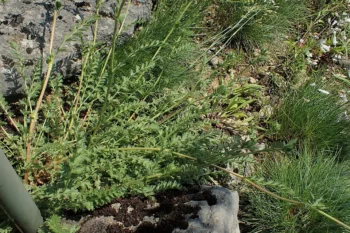
Rydberg’s horkelia is a charming little forb that belongs to the rose family. Picture delicate clusters of small white to pale pink flowers sitting atop compound, palmate leaves that look a bit like tiny rose leaves. As a perennial herb, it lacks woody stems but returns year after year from its persistent root system.
This isn’t your typical garden center find—it’s what botanists call critically imperiled, with a global conservation status of S1. That means there are likely fewer than 1,000 individuals left in the wild, scattered across just a handful of locations.
Where Does It Come From?
This rare beauty is endemic to California, meaning it exists nowhere else on Earth. You’ll find its remaining populations tucked away in the Sierra Nevada mountains, where it has adapted to very specific growing conditions over thousands of years.
- Species observed
- No observations
Should You Grow Rydberg’s Horkelia?
Here’s where things get complicated. While we absolutely want to encourage growing native plants, Rydberg’s horkelia requires a different approach due to its critically endangered status.
The Conservation Consideration
If you’re passionate about growing this rare native, proceed with extreme caution and responsibility:
- Only obtain plants from reputable native plant nurseries that can verify ethical sourcing
- Never collect from wild populations—this could push the species closer to extinction
- Consider supporting conservation efforts instead of or alongside cultivation
- Look for nursery-propagated specimens that are part of conservation programs
Growing Conditions and Care
Based on its natural Sierra Nevada habitat, Rydberg’s horkelia likely prefers:
- Well-draining soils that mimic montane conditions
- USDA hardiness zones 6-9
- Specialized care that replicates its native mountain environment
- Protection from extreme heat and humidity
Garden Role and Design
In the right setting, this plant could serve as:
- A special specimen in native plant collections
- Ground cover in rock gardens or alpine-style plantings
- An educational plant for conservation-minded gardeners
- Part of specialized California native gardens
Wildlife and Pollinator Benefits
The small, delicate flowers of Rydberg’s horkelia attract native bees and other tiny pollinators. By supporting these specialized relationships, the plant plays a crucial role in its mountain ecosystem—another reason why its conservation is so important.
The Bottom Line
Rydberg’s horkelia represents both the beauty and fragility of California’s native flora. While most gardeners should focus on other, more common California natives, those with the expertise and ethical sourcing to grow this rare species can contribute to its conservation.
If you’re drawn to rare California natives but want more readily available options, consider other Horkelia species or similar native wildflowers that won’t strain wild populations. Remember, every native plant we grow—common or rare—helps support our local ecosystems and connects us to the natural heritage of our region.
Sometimes the most important thing we can do for a plant isn’t to grow it, but to protect the wild spaces where it still calls home.