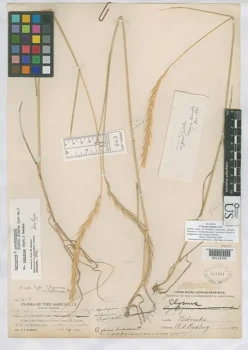
Rydberg’s Wildrye: A Rare Prairie Grass Worth Protecting in Your Garden
If you’re passionate about native plants and conservation, Rydberg’s wildrye (Elymus vulpinus) might just be the perfect addition to your prairie garden. This elegant perennial grass is not only beautiful but also plays an important role in preserving our native grassland heritage.
What Makes Rydberg’s Wildrye Special?
Rydberg’s wildrye is a native graminoid—that’s fancy talk for a grass or grass-like plant. As a perennial, it comes back year after year, forming graceful clumps that add texture and movement to any landscape. You might also see it referenced by its former scientific names, Agropyron pseudorepens var. vulpinum or Agropyron vulpinum, if you’re digging through older gardening resources.
Where Does It Call Home?
This prairie beauty is native to the Great Plains region of the United States, with documented populations in Montana and Nebraska. While its range appears limited, this grass has adapted perfectly to the challenging conditions of America’s heartland.
- Species observed
- No observations
A Word of Caution: This Grass is Rare
Here’s something important every gardener should know: Rydberg’s wildrye has a Global Conservation Status of S1S3Q, which means its population status is uncertain but potentially at risk. This makes it a particularly valuable plant for conservation-minded gardeners.
If you decide to grow this grass, please ensure you source it responsibly—never collect from wild populations, and only purchase from reputable native plant nurseries that propagate their own stock.
Why Grow Rydberg’s Wildrye?
Despite its rarity (or perhaps because of it), there are compelling reasons to include this grass in your landscape:
- You’ll be contributing to conservation efforts by maintaining genetic diversity
- Its upright growth habit and attractive seed heads provide four-season interest
- As a native grass, it supports local ecosystems and provides habitat structure
- It’s naturally adapted to challenging prairie conditions, making it low-maintenance once established
Perfect Garden Settings
Rydberg’s wildrye shines in:
- Prairie restoration projects
- Native plant gardens
- Naturalized landscapes
- Xeriscaping and drought-tolerant gardens
- Erosion control plantings on slopes
Growing Conditions and Care
Like most prairie natives, Rydberg’s wildrye is remarkably adaptable and low-maintenance:
Sunlight: Thrives in full sun conditions, just like its natural prairie habitat.
Soil: Adaptable to various soil types, though it prefers well-draining conditions. It can handle both clay and sandy soils.
Water: Extremely drought tolerant once established. Avoid overwatering, which can lead to problems.
Hardiness: Suitable for USDA zones 3-7, making it perfect for areas with cold winters and hot summers.
Planting and Establishment Tips
Getting Rydberg’s wildrye established is straightforward:
- Plant in spring or fall for best establishment
- Space plants 18-24 inches apart to allow for natural clumping
- Water regularly the first year, then let nature take over
- Avoid fertilizing—prairie grasses prefer lean soils
- Cut back in late winter or early spring before new growth begins
Wildlife and Ecosystem Benefits
While Rydberg’s wildrye is wind-pollinated rather than dependent on insect pollinators, it still provides valuable ecosystem services. The grass structure offers shelter and nesting sites for beneficial insects and small wildlife. Its seeds may also provide food for birds, though this hasn’t been extensively documented for this particular species.
The Bottom Line
Growing Rydberg’s wildrye is more than just adding another plant to your garden—it’s participating in conservation. This rare prairie grass offers the perfect combination of low-maintenance gardening and meaningful environmental stewardship. Just remember to source your plants responsibly, and you’ll be rewarded with a beautiful, resilient grass that connects your landscape to America’s prairie heritage.
If you can’t locate Rydberg’s wildrye from reputable sources, consider other native wildrye species that might be more readily available in your region. Every native grass planted is a step toward supporting our local ecosystems!