Sacapellote: A Hidden Gem for California Native Gardens
If you’re looking for a drought-tolerant native plant that adds delicate charm to your California garden, let me introduce you to sacapellote (Acourtia microcephala). This unassuming perennial herb might not win any flashy flower contests, but it’s exactly the kind of reliable, low-maintenance plant that makes native gardening so rewarding.
What is Sacapellote?
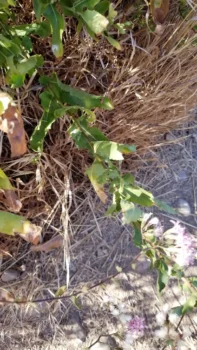
Sacapellote is a native California perennial that belongs to the sunflower family. As a forb herb, it’s a non-woody plant that comes back year after year, forming clumps of silvery-green foliage topped with clusters of small, white to pale pink composite flowers. You might also see it listed under its former scientific name, Perezia microcephala, in older gardening references.
Where Does Sacapellote Grow Naturally?
This charming native is found exclusively in California, where it thrives in the state’s diverse desert and semi-desert regions. It’s perfectly adapted to the Mediterranean and arid climates that define much of Southern California’s landscape.
- Species observed
- No observations
Why Plant Sacapellote in Your Garden?
Here’s where sacapellote really shines as a garden plant:
- Drought Champion: Once established, this plant thrives with minimal water, making it perfect for water-wise landscaping
- Pollinator Magnet: The small composite flowers attract butterflies and native bees, supporting local ecosystems
- Low Maintenance: As a true native, it requires very little fussing once it’s settled in
- Year-Round Presence: Being perennial, it provides structure and interest throughout the seasons
Important Conservation Note
Before you rush to plant sacapellote, there’s something important to know: this species has a conservation status of S3S4, indicating it may be somewhat rare or uncommon in its native range. If you choose to grow sacapellote, please ensure you source your plants or seeds from reputable native plant nurseries that propagate their stock responsibly rather than wild-collecting.
Perfect Garden Settings for Sacapellote
Sacapellote works beautifully in:
- Xerophytic and desert-themed gardens
- Native plant landscapes
- Rock gardens with good drainage
- Naturalistic borders and groundcover areas
- Pollinator gardens focused on native species
Growing Conditions and Care
Success with sacapellote comes down to mimicking its natural habitat:
- Sunlight: Full sun is essential for healthy growth and flowering
- Soil: Well-draining soil is non-negotiable – this plant abhors soggy conditions
- Water: Drought-tolerant once established, but provide regular water the first season
- Climate: Hardy in USDA zones 9-10, perfect for frost-free areas
Planting and Care Tips
Getting sacapellote established successfully requires just a few key steps:
- Best planting time: Fall planting allows roots to establish during cooler, wetter months
- Spacing: Give plants room to spread as they mature
- Watering: Water regularly the first year, then reduce to occasional deep watering
- Soil preparation: Improve drainage in heavy soils by adding coarse sand or gravel
- Maintenance: Very low maintenance once established – avoid overwatering and over-fertilizing
The Bottom Line
Sacapellote might not be the showiest plant in your garden, but it’s exactly the kind of steady, reliable native that forms the backbone of sustainable California landscapes. Its drought tolerance, pollinator appeal, and low-maintenance nature make it valuable for gardeners committed to working with nature rather than against it. Just remember to source it responsibly, and you’ll have a authentic piece of California’s natural heritage thriving in your own backyard.