Sacramento Burbark: A Resilient Native Plant for Warm Climate Gardens
If you’re looking for a low-maintenance plant that can handle tough conditions while adding a touch of tropical charm to your garden, Sacramento burbark (Triumfetta semitriloba) might just be the unsung hero you’ve been searching for. This hardy little plant has been quietly thriving in warm climates across the Americas, and it’s time to give it the recognition it deserves.
What is Sacramento Burbark?
Sacramento burbark is a versatile forb – that’s botanist-speak for a non-woody plant that stays relatively low to the ground. Unlike shrubs or trees, this plant puts its energy into leaves and flowers rather than building up woody stems. It can behave as either an annual or perennial depending on your climate, making it quite the adaptable character in the plant world.
Where Does Sacramento Burbark Call Home?
This plant has quite the travel resume! Sacramento burbark is native to the southeastern United States, Puerto Rico, and the U.S. Virgin Islands. You’ll find it naturally growing in Florida and Georgia, where it’s perfectly at home. The plant has also established itself in Hawaii, Guam, and Palau, though it’s considered non-native in these Pacific locations.
- Species observed
- No observations
What Does It Look Like?
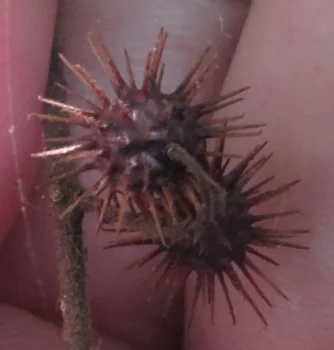
Sacramento burbark won’t win any flashy flower contests, but it has its own understated appeal. The plant produces small, cheerful yellow flowers that may be modest in size but make up for it in quantity. Its heart-shaped leaves have distinctive serrated edges that give the plant character and texture. After flowering, it develops small, bur-like fruits – hence the burbark part of its common name.
Garden Role and Landscape Uses
This isn’t your typical front-and-center showstopper plant. Instead, Sacramento burbark excels as:
- Ground cover in naturalized areas
- Filler plant in informal landscape designs
- Addition to coastal gardens where salt tolerance is needed
- Component of wildlife-friendly plantings
It’s particularly well-suited for tropical and subtropical gardens where you want something reliable that won’t demand constant attention.
Growing Conditions and Care
Here’s where Sacramento burbark really shines – it’s remarkably unfussy about where it lives. The plant adapts to various soil types and becomes quite drought tolerant once established. It prefers full sun but can handle partial shade, making it flexible for different garden spots.
In terms of water preferences, Sacramento burbark is quite the chameleon. In some regions, it’s happy in drier upland areas, while in others (like the Caribbean), it can tolerate wetter conditions. This adaptability makes it suitable for USDA hardiness zones 9-11.
Planting and Care Tips
The good news for busy gardeners is that Sacramento burbark is pretty low-maintenance:
- Plant in well-draining soil (though it’s not too picky about soil type)
- Water regularly until established, then reduce frequency
- Provide full sun to partial shade
- Be aware that it can self-seed readily – this might be a feature or a concern depending on your garden goals
Pollinator and Wildlife Benefits
While Sacramento burbark may not be the flashiest plant in your garden, it does its part for local wildlife. The small yellow flowers attract various pollinators, including bees and butterflies. It’s one of those plants that quietly contributes to the ecosystem without making a big fuss about it.
Should You Plant Sacramento Burbark?
If you live in the southeastern United States, Puerto Rico, or the Virgin Islands, Sacramento burbark could be a great native addition to your landscape, especially if you’re looking for something drought-tolerant and low-maintenance for informal areas.
For gardeners in Hawaii or other Pacific locations where it’s non-native, consider it as one option among many, but also explore native alternatives that might provide similar benefits while supporting local ecosystems. Your local extension office or native plant society can suggest indigenous plants that offer comparable hardiness and appeal.
Sacramento burbark isn’t going to be the star of your garden, but sometimes the supporting cast members are the ones that really make the show work. If you need a reliable, adaptable plant that can handle challenging conditions while quietly doing its part for pollinators, this humble little forb might just earn a spot in your landscape.