Sacramento Mountain Thistle: A Rare Wetland Gem Worth Protecting
Meet the Sacramento Mountain thistle (Cirsium vinaceum), a stunning purple-flowered native that’s both a botanical treasure and a gardening challenge. This perennial forb might catch your eye with its striking thistle blooms, but before you start planning where to plant it, there are some important things you need to know about this remarkable species.
A True New Mexican Native
The Sacramento Mountain thistle is a proud native of the lower 48 states, but don’t expect to find it just anywhere. This plant has chosen one very specific home: the Sacramento Mountains of New Mexico. It’s what botanists call an endemic species, meaning it exists naturally nowhere else on Earth.
- Species observed
- No observations
Why This Thistle is Special (And Challenging)
Here’s where things get serious: Sacramento Mountain thistle is classified as Threatened in the United States and has a Global Conservation Status of S2, meaning it’s imperiled. With typically only 6 to 20 known occurrences and fewer than 3,000 individuals remaining, this isn’t your average garden center find.
This rarity stems from the plant’s extremely specific habitat needs. Sacramento Mountain thistle is an obligate wetland species across all regions where it grows, meaning it almost always occurs in wetlands. We’re talking about specialized, high-elevation wetland environments that are incredibly difficult to replicate in a typical garden setting.
What It Looks Like
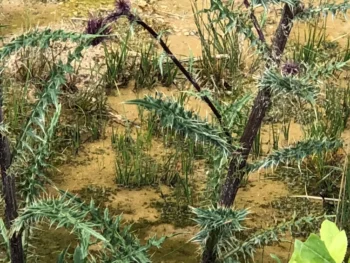
As a member of the thistle family, Sacramento Mountain thistle displays the classic characteristics you’d expect: spiny stems and leaves with beautiful purple-pink flower heads that bloom to attract pollinators. Like other thistles, it’s a forb (a non-woody flowering plant) that dies back to ground level each winter and returns the following growing season.
Garden Suitability: Proceed with Extreme Caution
Let’s be honest: Sacramento Mountain thistle is not a plant for the average gardener. Here’s why:
- Specialized habitat requirements: Needs consistent wetland conditions that are nearly impossible to maintain in typical gardens
- Conservation concerns: With so few populations remaining, disturbing wild plants is ethically questionable and potentially illegal
- Limited availability: Legitimate sources are extremely rare due to its threatened status
- Climate specificity: Adapted to high-elevation conditions of the Sacramento Mountains
If You’re Determined to Try
Should you find yourself in the unique position of having access to responsibly sourced Sacramento Mountain thistle (perhaps through a legitimate conservation program), here’s what you need to know:
- Wetland conditions are non-negotiable: This plant requires consistently moist to saturated soils
- High elevation preferred: Likely hardy in USDA zones 5-7, matching its mountain habitat
- Pollinator magnet: The purple thistle flowers will attract butterflies, native bees, and other pollinators
- Specialized care: Success requires replicating the specific conditions of Sacramento Mountain wetlands
Better Alternatives for Your Garden
Instead of attempting to grow this rare species, consider these more garden-friendly native alternatives that offer similar benefits:
- Other regional Cirsium species that aren’t threatened
- Native wetland plants appropriate to your specific region
- Purple-flowered natives that support pollinators without conservation concerns
Supporting Conservation
The best way to help Sacramento Mountain thistle is to support habitat conservation in the Sacramento Mountains of New Mexico. Consider donating to organizations working to protect high-elevation wetlands or participating in citizen science projects that monitor rare plant populations.
Remember, sometimes the most responsible gardening choice is to admire a plant from afar and focus our growing efforts on species that can thrive in our gardens without putting wild populations at risk. Sacramento Mountain thistle serves as a beautiful reminder of the incredible diversity of our native flora and the importance of protecting the specialized habitats these rare gems call home.