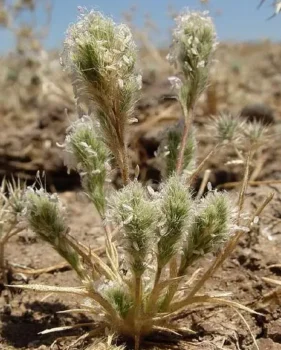
Sacramento Orcutt Grass: A Rare California Native That Belongs in the Wild
If you’ve stumbled across Sacramento Orcutt grass (Orcuttia viscida) in your native plant research, you might be wondering if this California native could work in your garden. Here’s the short answer: it absolutely cannot and should not be planted in home landscapes. But there’s a fascinating story behind why this little grass is so special—and so endangered.
What Is Sacramento Orcutt Grass?
Sacramento Orcutt grass is an annual grass native exclusively to California’s Central Valley. Don’t let the humble grass designation fool you—this is one of California’s rarest plants. It’s a small, inconspicuous member of the grass family that most people would walk right past without a second glance.
This plant goes by the scientific name Orcuttia viscida, and you might occasionally see it listed under its old synonym, Orcuttia californica var. viscida. But regardless of what you call it, this grass is in serious trouble.
Where Does It Grow?
Sacramento Orcutt grass is found only in California, specifically in the Sacramento Valley region of the Central Valley. Its entire world consists of a handful of vernal pools—those magical seasonal wetlands that fill with winter rains and dry completely by summer.
- Species observed
- No observations
Why You Should Never Try to Grow It
Here’s where things get serious. Sacramento Orcutt grass has a Global Conservation Status of S1, meaning it’s critically imperiled. It’s also federally listed as Endangered. We’re talking about fewer than 5 occurrences and very few remaining individuals—likely fewer than 1,000 plants in the entire world.
This isn’t a plant you can responsibly source, and it’s definitely not one you should attempt to grow. Here’s why:
- It requires the exact conditions of California vernal pools
- These conditions are nearly impossible to replicate artificially
- Any collection from wild populations could push the species closer to extinction
- It’s protected by federal law
The Specialized World of Vernal Pools
Sacramento Orcutt grass is what we call an obligate wetland species in the Arid West region. This means it almost always occurs in wetlands—but not just any wetlands. It needs the very specific conditions of vernal pools: clay soils that pond water during winter and spring rains, then dry out completely in summer.
This boom-and-bust cycle is essential to the plant’s life cycle. The grass germinates when the pools fill, grows during the wet season, flowers and sets seed as the pools begin to dry, and then dies back completely when the pools are dry. Seeds lie dormant in the clay until the next rainy season begins the cycle anew.
What You Can Do Instead
While you can’t and shouldn’t grow Sacramento Orcutt grass, you can still support California’s incredible native plant diversity. Consider these alternatives:
- Plant other California native grasses that are suitable for cultivation, like purple needlegrass or California fescue
- Support vernal pool conservation organizations
- Learn about and advocate for protection of remaining vernal pool habitats
- Visit preserved vernal pools during blooming season (with proper permission) to see these rare plants in their natural habitat
A Conservation Success Story in the Making
While Sacramento Orcutt grass faces an uncertain future, dedicated conservationists and researchers are working hard to protect remaining populations and restore vernal pool habitat. Sometimes the best thing we gardeners can do is leave rare plants in the wild where they belong and focus our efforts on growing the many beautiful, available native species that can thrive in our gardens.
Remember: true native plant gardening isn’t just about what we plant—it’s also about what we choose not to plant and why.