Rock Sagebrush: A Hardy Native for Cold Climate Gardens
If you’re gardening in one of the coldest regions of North America and struggling to find plants that can handle your harsh winters, let me introduce you to a true survivor: rock sagebrush (Artemisia rupestris). This tough little native might just be the answer to your cold-climate gardening prayers.
What is Rock Sagebrush?
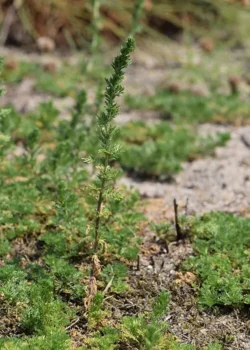
Rock sagebrush is a low-growing perennial shrub that stays compact, typically reaching only 1.5 feet tall and rarely exceeding 3 feet at maturity. Don’t let its small stature fool you – this plant is built to withstand some of the most challenging growing conditions on the continent.
Like other members of the Artemisia family, rock sagebrush features aromatic, silvery-gray foliage that adds a beautiful textural element to any garden. In late summer, it produces small, inconspicuous yellowish flowers that may not be showy but provide some benefit to local insects.
Where Does Rock Sagebrush Grow Naturally?
This hardy native calls the arctic and subarctic regions of North America home, with documented populations in Canada’s Yukon territory. It’s perfectly adapted to some of the most extreme climates on our continent, thriving in areas where many other plants simply can’t survive.
- Species observed
- No observations
Why Consider Rock Sagebrush for Your Garden?
Here are some compelling reasons to give this native plant a try:
- Extreme cold tolerance: Hardy in USDA zones 1-4, making it perfect for the coldest climates
- Low maintenance: Once established, it requires minimal care and attention
- Drought tolerant: Thrives in dry conditions and poor soils
- Native species support: Provides habitat and food for local wildlife
- Unique texture: Silvery foliage adds interesting contrast to garden designs
- Aromatic: Pleasant fragrance when brushed against or crushed
Perfect Garden Situations
Rock sagebrush shines in specific garden settings where other plants might struggle:
- Rock gardens and alpine plantings
- Xeriscaped landscapes
- Naturalized areas and meadow gardens
- Low-maintenance groundcover applications
- Areas with poor, well-draining soil
Growing Conditions and Care
The beauty of rock sagebrush lies in its simplicity. This plant prefers:
- Sunlight: Full sun exposure
- Soil: Well-draining soils; tolerates poor, rocky, or sandy conditions
- Water: Drought tolerant once established; avoid overwatering
- Climate: Extremely cold hardy (zones 1-4)
The key to success with rock sagebrush is remembering that less is more. This plant has evolved to thrive in challenging conditions, so resist the urge to pamper it with rich soil or frequent watering.
Planting and Care Tips
Getting rock sagebrush established in your garden is refreshingly straightforward:
- Plant in spring after the last hard frost
- Ensure excellent drainage – this is non-negotiable
- Space plants appropriately for their mature size
- Water sparingly during the first growing season
- Avoid fertilizing – rich conditions can actually harm the plant
- Prune lightly if needed, but minimal pruning is typically required
Wildlife and Pollinator Benefits
While rock sagebrush may not be the showiest pollinator plant, it does provide some nectar for small insects during its flowering period. More importantly, as a native species, it supports the broader ecosystem and provides habitat for local wildlife adapted to these harsh northern climates.
Is Rock Sagebrush Right for Your Garden?
Rock sagebrush is an excellent choice if you’re gardening in extremely cold climates (zones 1-4) and looking for a low-maintenance, drought-tolerant native plant. It’s particularly valuable for gardeners who want to create naturalized landscapes or need plants that can handle challenging growing conditions.
However, if you’re gardening in warmer zones or prefer high-impact flowering plants, rock sagebrush might not be your best choice. Its subtle beauty and specialized growing requirements make it most suitable for dedicated native plant gardeners or those dealing with harsh growing conditions.
Consider rock sagebrush as part of a broader native plant palette, where its unique texture and extreme hardiness can shine alongside other cold-adapted native species. It’s a plant that rewards patience and appreciation for subtle beauty rather than demanding immediate visual impact.