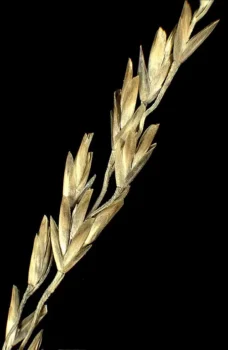
Saltmarsh Alkaligrass: A Specialized Grass for Unique Wetland Gardens
If you’ve ever wondered about those tough grasses that thrive in the saltiest, wettest corners of our landscape, meet saltmarsh alkaligrass (Puccinellia fasciculata). This hardy perennial grass might not be the showstopper of your typical garden, but it’s absolutely essential in very specific situations – and honestly, pretty fascinating once you get to know it!
What Exactly is Saltmarsh Alkaligrass?
Saltmarsh alkaligrass is a low-growing perennial grass that forms tufts or mats, typically reaching 6-24 inches in height. You might also see it listed under its former scientific names, Glyceria borreri or Puccinellia borreri. This isn’t your typical lawn grass – it’s a specialist that thrives where most plants would throw in the towel.
Where Does It Call Home?
Here’s where things get interesting: saltmarsh alkaligrass is native to Europe and western Asia, but it’s made itself at home across much of North America. You can find it growing in Arizona, Nevada, Utah, several Canadian provinces (Nova Scotia, Ontario, Prince Edward Island), and throughout much of the northeastern United States from Maine down to Virginia.
- Species observed
- No observations
However, it’s worth noting that this plant has achieved a somewhat rare status in New Jersey, where it’s listed as S1 (critically imperiled). So while it’s established in many places, it’s not necessarily common everywhere.
The Ultimate Wetland Specialist
If there’s one thing saltmarsh alkaligrass absolutely insists on, it’s wet feet – and salty ones at that. This plant is classified as an obligate wetland species across all regions where it grows, meaning it almost always occurs in wetlands. But not just any wetlands – it specifically loves:
- Salt marshes
- Brackish wetlands
- Alkaline or saline soils
- Areas with consistently moist to wet conditions
Should You Plant Saltmarsh Alkaligrass?
Let’s be honest – this isn’t a plant for the average home gardener. Unless you’re dealing with very specific conditions (like a coastal property with salt spray, or you’re involved in wetland restoration), saltmarsh alkaligrass probably isn’t your best choice. It’s hardy in USDA zones 3-9, but its extremely specialized needs make it challenging for typical garden settings.
However, if you’re working on:
- Coastal restoration projects
- Salt-tolerant landscaping near roads treated with de-icing salt
- Constructed wetlands with saline conditions
- Specialized habitat creation for wetland wildlife
Then saltmarsh alkaligrass might be exactly what you need!
Growing Tips for the Brave
If you’ve determined that saltmarsh alkaligrass is right for your specialized project, here’s what you need to know:
- Ensure consistently moist to wet, saline or alkaline soil conditions
- Plant in full sun to partial shade
- This grass is wind-pollinated, so it doesn’t provide significant benefits to pollinators
- Given its rarity status in some areas, source plants or seeds from reputable native plant suppliers who practice responsible collection
Consider Native Alternatives
Since saltmarsh alkaligrass isn’t native to North America, you might want to consider native salt-tolerant grasses for your wetland projects, such as:
- Saltmeadow cordgrass (Spartina patens)
- Smooth cordgrass (Spartina alterniflora)
- Alkali sacaton (Sporobolus airoides) for western regions
The Bottom Line
Saltmarsh alkaligrass is definitely a niche plant – it knows what it likes and isn’t budging on its requirements. While it’s not invasive or problematic, it’s also not the kind of plant most gardeners will find useful. If you have the very specific conditions it craves, and you’re involved in restoration or specialized landscaping work, it can be a valuable addition. Just remember to source it responsibly, especially given its rarity in some regions, and consider whether a native alternative might serve your purposes just as well.
Sometimes the most interesting plants are the specialists – and saltmarsh alkaligrass is definitely that!