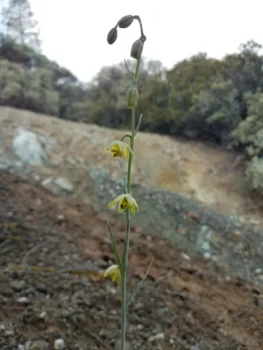
San Benito Fritillary: A Rare California Native Worth Protecting
Meet the San Benito fritillary (Fritillaria viridea), one of California’s most exclusive native wildflowers. This perennial bulb is so rare and geographically limited that finding it in the wild is like discovering a hidden treasure. But for dedicated native plant enthusiasts, this little-known fritillary offers a unique opportunity to grow something truly special while supporting conservation efforts.
What Makes This Plant So Special?
The San Benito fritillary is what botanists call a forb—essentially a non-woody perennial that dies back to underground bulbs each year. What sets this particular fritillary apart isn’t just its rarity, but its incredibly limited natural range and distinctive spring blooms.
This plant produces charming, nodding bell-shaped flowers in spring, typically displaying greenish-white to pale yellow petals adorned with subtle purple markings. The blooms appear on stems that can reach 1-3 feet tall, creating an elegant display that’s both understated and captivating.
Where Does It Come From?
Here’s where things get really interesting (and concerning): Fritillaria viridea is endemic to California, but not just anywhere in the Golden State. This fritillary is found only in San Benito County, making it one of the state’s most geographically restricted native plants.
- Species observed
- No observations
A Plant in Peril
Important Conservation Note: The San Benito fritillary has a Global Conservation Status of S2, meaning it’s imperiled due to extreme rarity. With typically only 6 to 20 known occurrences and few remaining individuals in the wild, this plant is vulnerable to extinction.
If you’re considering growing this rare beauty, please ensure you source bulbs only from reputable native plant nurseries that propagate them ethically rather than collecting from wild populations.
Is This Plant Right for Your Garden?
The San Benito fritillary isn’t for every gardener, but it could be perfect if you:
- Live in USDA zones 8-9 with a Mediterranean climate
- Are passionate about rare California natives
- Have experience growing bulbs that require summer dormancy
- Want to support conservation through cultivation
- Appreciate subtle, sophisticated spring bloomers
This fritillary works beautifully in native California gardens, rock gardens, or specialized rare plant collections. It’s particularly suited for gardeners who enjoy the challenge of growing something truly unique and contributing to conservation efforts.
Growing Conditions and Care
Like most California natives, the San Benito fritillary has adapted to the state’s Mediterranean climate pattern of wet winters and dry summers. Here’s what it needs to thrive:
- Soil: Excellent drainage is absolutely critical—these bulbs will rot in soggy conditions
- Water: Natural winter rainfall or equivalent watering, then completely dry summers
- Sun: Partial shade to full sun, depending on your local climate
- Climate: Cool, wet winters and warm, dry summers
Planting and Care Tips
Successfully growing San Benito fritillary requires attention to its natural cycle:
- Plant bulbs in fall when temperatures cool
- Choose a location with perfect drainage—consider raised beds or slopes
- Allow the plant to go completely dormant in summer (no water!)
- Mark the location since the plant disappears entirely during dormancy
- Be patient—fritillaries can take time to establish and may not bloom every year
Supporting Pollinators and Wildlife
During its brief but beautiful spring flowering period, the San Benito fritillary provides nectar for native bees and other small pollinators. While its wildlife benefits may seem modest due to its short bloom time, every native plant contributes to the complex web of relationships that support local ecosystems.
The Bottom Line
The San Benito fritillary represents both an opportunity and a responsibility. For experienced native plant gardeners in appropriate climates, it offers the chance to grow something genuinely rare and contribute to conservation efforts. However, its specific needs and conservation status mean it’s not a casual garden addition.
If you decide to grow this remarkable fritillary, source it responsibly, provide the conditions it needs, and take pride in helping preserve one of California’s most endangered wildflowers. Sometimes the most rewarding plants to grow are the ones that challenge us to be better gardeners and better stewards of our native flora.