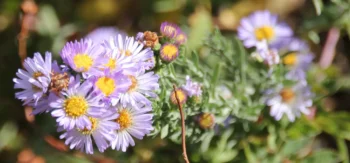
San Bernardino Aster: A Rare California Wetland Treasure
Meet the San Bernardino aster (Symphyotrichum defoliatum), one of California’s most precious and endangered wildflowers. This delicate perennial herb holds a special place in the Golden State’s native plant community, though you’re unlikely to stumble upon it during your typical garden center visit – and for good reason.
A California Endemic Worth Protecting
The San Bernardino aster is a true California native, found exclusively within the state’s borders. This herbaceous perennial forb belongs to the sunflower family and produces the classic daisy-like blooms that make asters so beloved by gardeners and pollinators alike.
However, this isn’t your average backyard aster. The San Bernardino aster is currently classified with a Global Conservation Status of S2, meaning it’s imperiled due to extreme rarity. With typically only 6 to 20 known occurrences and fewer than 1,000 to 3,000 remaining individuals, this species is hanging on by a thread in the wild.
- Species observed
- No observations
Why This Aster is So Special (And Challenging)
What makes the San Bernardino aster particularly unique is its status as an obligate wetland plant. In both the Arid West and Western Mountains regions where it grows, this species almost always occurs in wetland environments. This specialized habitat requirement is both its strength and its vulnerability.
The plant produces small, charming flowers that bloom from late summer into fall, providing crucial late-season nectar when many other native plants have finished flowering. This timing makes it invaluable for supporting native bees, butterflies, and other pollinators preparing for winter.
Should You Grow San Bernardino Aster?
Here’s where things get complicated. While supporting native plants is always admirable, the San Bernardino aster presents some serious considerations:
- Conservation concern: With its imperiled status, this plant should only be grown using responsibly sourced material from reputable native plant suppliers
- Specialized needs: As an obligate wetland species, it requires consistently moist to wet soil conditions that most home gardens cannot provide
- Limited availability: Due to its rarity, finding legitimate sources can be extremely challenging
Growing Conditions and Care
If you’re committed to growing this rare beauty and have the proper wetland conditions, here’s what the San Bernardino aster needs:
- Moisture: Consistently wet to moist soil – think bog garden or natural wetland edge
- Light: Full sun to partial shade
- Climate: Suited for USDA hardiness zones 8-10, matching Southern California’s climate
- Soil: Tolerates various soil types as long as moisture requirements are met
This perennial forb grows as a non-woody herbaceous plant, with growth buds at or below ground level – typical of plants adapted to wetland conditions where flooding might occur.
A Better Alternative for Most Gardeners
Unless you’re involved in serious wetland restoration or have a specialized bog garden, consider supporting other native California asters that are more widely available and better suited to typical garden conditions. Species like aromatic aster (Symphyotrichum oblongifolium) or Pacific aster (Symphyotrichum chilense) can provide similar late-season pollinator benefits without the conservation concerns.
The Bottom Line
The San Bernardino aster represents both the beauty and fragility of California’s native plant heritage. While it’s a remarkable species worthy of conservation, most home gardeners should appreciate it from afar and support its preservation through wetland conservation efforts rather than attempting to grow it.
If you’re determined to include this rare gem in a restoration project or specialized wetland garden, work only with reputable native plant organizations and ensure your source material is ethically obtained. Remember, sometimes the best way to love a rare plant is to let the experts handle its propagation and care.