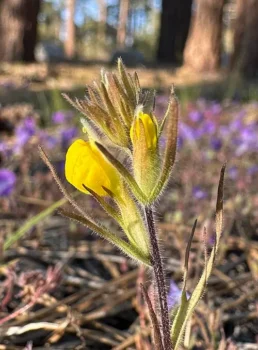
San Bernardino Mountains Indian Paintbrush: A Rare Gem for California Native Gardens
If you’re passionate about California native plants and love supporting rare species, the San Bernardino Mountains Indian paintbrush (Castilleja lasiorhyncha) might just capture your heart. This stunning annual wildflower brings brilliant splashes of red-orange color to gardens while supporting local ecosystems—but there’s an important catch every gardener should know about.
What Makes This Plant Special
The San Bernardino Mountains Indian paintbrush is a true California native, belonging to the diverse Castilleja genus known for their show-stopping blooms. As an annual forb, this herbaceous beauty completes its entire life cycle in just one growing season, making every bloom precious and fleeting.
What sets this species apart is its extremely limited range—it’s found only in California, specifically in the San Bernardino Mountains region. This narrow distribution makes it a genuine local treasure that connects your garden directly to Southern California’s unique mountain ecosystems.
- Species observed
- No observations
A Important Conservation Note
Here’s where things get serious: this plant carries a Global Conservation Status of S2, meaning it’s considered Imperiled. With typically only 6 to 20 known occurrences and possibly fewer than 3,000 individual plants remaining in the wild, this species faces real conservation challenges.
If you choose to grow San Bernardino Mountains Indian paintbrush, please only use responsibly sourced material from reputable native plant nurseries or seed companies that practice ethical collection methods. Never collect seeds or plants from wild populations.
Garden Appeal and Design Uses
When this plant blooms, it’s absolutely spectacular. Like other Indian paintbrushes, it produces vibrant tubular flowers in brilliant red-orange hues that seem to glow in the landscape. These eye-catching blooms make excellent:
- Accent plants in California native gardens
- Seasonal color in wildflower meadows
- Focal points in naturalistic landscape designs
- Components of pollinator-friendly plantings
Wildlife and Pollinator Benefits
The tubular flower shape of Indian paintbrush species has evolved specifically to attract hummingbirds, making this plant a fantastic choice for bird-friendly gardens. Native bees and other pollinators also visit the blooms, helping support local biodiversity in your landscape.
Growing Conditions and Care
As a native of Southern California’s mountains, this plant prefers:
- Well-draining soils (essential for preventing root rot)
- Full sun to partial shade exposure
- Dry conditions once established
- Minimal supplemental watering after the first season
This species likely thrives in USDA hardiness zones 8-10, matching its native mountain habitat climate.
Planting and Propagation Tips
Since this is an annual, growing from seed is your best bet. Try direct seeding in fall to allow natural winter stratification—this mimics how the plant reproduces in nature. Like many Castilleja species, this plant may be semi-parasitic, forming connections with nearby host plants’ roots to supplement its nutrition.
Keep soil moisture consistent during germination and early growth, then reduce watering as plants mature. Remember, this species has evolved for California’s Mediterranean climate with wet winters and dry summers.
Should You Grow It?
If you’re committed to conservation-minded gardening and can source seeds or plants responsibly, the San Bernardino Mountains Indian paintbrush offers a unique opportunity to support a rare native species while adding spectacular seasonal color to your garden. Its annual nature means you’ll need to replant each year, but the stunning blooms and wildlife benefits make the effort worthwhile.
Just remember: with great rarity comes great responsibility. Only choose this plant if you’re committed to ethical sourcing and supporting conservation efforts for California’s precious native flora.