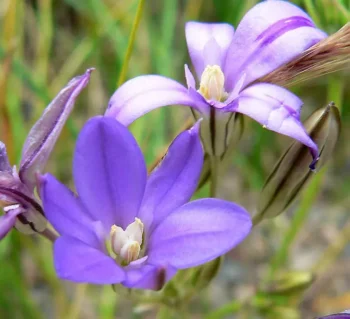
San Clemente Island Brodiaea: A Rare Gem Worth Protecting
If you’re a native plant enthusiast with a passion for rare and endangered species, the San Clemente Island brodiaea (Brodiaea kinkiensis) might just capture your heart. This little-known perennial bulb is one of California’s most precious botanical treasures, though growing it comes with important responsibilities that every gardener should understand.
A Plant on the Edge
The San Clemente Island brodiaea holds the sobering distinction of having a Global Conservation Status of S2, meaning it’s imperiled due to extreme rarity. With typically only 6 to 20 occurrences and fewer than 1,000 to 3,000 remaining individuals in the wild, this native California species exists in a precarious balance. Found exclusively on San Clemente Island off the coast of Southern California, this endemic plant represents millions of years of isolated evolution.
- Species observed
- No observations
What Makes It Special
Despite its rarity, the San Clemente Island brodiaea offers unique appeal for the right gardener. This perennial bulb produces delicate, funnel-shaped flowers in shades of blue to purple during spring, creating a subtle but enchanting display. The blooms attract native bees and other small pollinators, making it a valuable addition to pollinator-friendly gardens.
As a member of the broader brodiaea family, this species shares the characteristic of going dormant during hot, dry summer months – a survival strategy perfectly adapted to California’s Mediterranean climate.
Growing Conditions and Care
If you’re considering adding this rare beauty to your garden, here’s what it needs to thrive:
- Climate: USDA hardiness zones 9-11
- Sunlight: Full sun to partial shade
- Soil: Well-draining soil is essential
- Water: Drought tolerant once established; minimal summer water
- Planting time: Fall planting of bulbs works best
The Perfect Garden Setting
San Clemente Island brodiaea works beautifully in:
- Native plant gardens focused on California species
- Mediterranean-style landscapes
- Rock gardens with excellent drainage
- Specialty collections of rare plants
A Word of Caution: Responsible Sourcing is Everything
Here’s where things get serious. Due to its imperiled status, you should never collect San Clemente Island brodiaea from the wild. If you’re determined to grow this rare species, work only with reputable native plant nurseries that can guarantee their stock comes from legally and ethically propagated sources.
Many conservation-minded gardeners choose to support this species by donating to habitat preservation efforts rather than attempting to grow it, recognizing that protecting its natural island home may be more beneficial than cultivation.
Care and Maintenance
Once established with responsibly sourced material, care is relatively straightforward:
- Allow the plant to go dormant naturally in summer
- Avoid overwatering, especially during dormancy
- Provide excellent drainage year-round
- Protect from extreme cold if you’re on the edge of its hardiness range
The Bottom Line
San Clemente Island brodiaea represents both an opportunity and a responsibility. While it can make a meaningful addition to specialized native plant gardens, its imperiled status means that growing it should be approached with the utmost care and consideration for conservation ethics.
For most gardeners interested in supporting native California plants, consider exploring more common brodiaea species or other native bulbs that can provide similar aesthetic appeal without the conservation concerns. Sometimes the best way to appreciate a rare plant is to support its protection in the wild rather than attempting to cultivate it in our gardens.