San Clemente Island Bushmallow: A Rare Coastal Treasure Worth Protecting
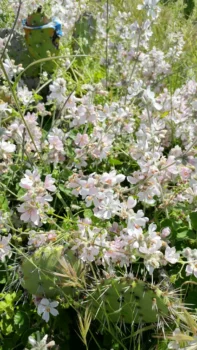
Meet one of California’s most exclusive native plants – the San Clemente Island bushmallow (Malacothamnus clementinus). This charming shrub is so special that it calls just one place on Earth home: San Clemente Island off the Southern California coast. If you’re looking for a truly unique addition to your native garden, this rare beauty might just be your next obsession.
What Makes This Plant So Special?
The San Clemente Island bushmallow is a member of the mallow family, closely related to hibiscus. This perennial shrub typically grows 3 to 6 feet tall and wide, creating a lovely rounded form that’s perfect for Mediterranean-style landscapes. Its soft, velvety gray-green leaves provide year-round interest, while clusters of delicate pink to purple flowers bloom from late spring through fall, resembling miniature hibiscus blossoms.
A Plant with Exclusive Address
This bushmallow is what botanists call endemic – it grows naturally in only one location worldwide. Originally found exclusively on San Clemente Island, about 60 miles off the coast of Southern California, this plant has adapted to harsh coastal conditions over thousands of years.
- Species observed
- No observations
Important Conservation Note
Before you fall head-over-heels for this plant (and trust us, you will), there’s something crucial you need to know. The San Clemente Island bushmallow has a Global Conservation Status of S2, meaning it’s considered imperiled due to extreme rarity. On its native island, it’s actually listed as endangered, with only 6 to 20 known occurrences remaining in the wild.
What does this mean for gardeners? If you choose to grow this plant, make absolutely sure you’re purchasing from reputable nurseries that source their plants responsibly – never from wild collection. Look for nurseries that propagate from ethically obtained seeds or cuttings.
Why Grow This Rare Beauty?
Despite its rarity (or perhaps because of it), there are compelling reasons to consider adding this plant to your garden:
- Ultimate drought tolerance: Once established, it needs minimal water – perfect for water-wise gardens
- Pollinator magnet: Native bees, butterflies, and hummingbirds absolutely love the nectar-rich flowers
- Coastal tough: Handles salt spray, wind, and poor soils like a champion
- Year-round interest: Attractive foliage provides structure even when not blooming
- Conservation impact: Growing it helps preserve genetic diversity of this endangered species
Perfect Garden Settings
The San Clemente Island bushmallow thrives in:
- Mediterranean and drought-tolerant gardens
- Coastal landscapes and seaside gardens
- Native California plant collections
- Wildlife and pollinator gardens
- Rock gardens and xeriscapes
Growing Conditions and Care
This plant is surprisingly easy to grow once you understand its island origins. Here’s what it needs to thrive:
Climate: Best suited for USDA zones 9-11, particularly areas with mild, Mediterranean-like climates. It can handle some frost but prefers coastal Southern California conditions.
Sun and Soil: Demands full sun and excellent drainage. It actually prefers poor to moderately fertile soils – too much richness can make it leggy. Sandy or rocky soils are ideal.
Water: Here’s where many gardeners go wrong. While it needs regular water the first year to establish, mature plants are extremely drought tolerant. Overwatering is more likely to kill it than underwatering.
Planting and Care Tips
- Best planting time: Fall gives roots time to establish before summer heat
- Spacing: Allow 4-6 feet between plants for good air circulation
- First year: Water deeply but infrequently until established
- Ongoing care: Once established, water only during extended dry periods
- Pruning: Light pruning after flowering helps maintain shape
- Mulching: Use gravel or organic mulch, but keep it away from the trunk
A Living Conservation Effort
By choosing to grow the San Clemente Island bushmallow, you’re not just adding a beautiful plant to your garden – you’re participating in conservation. Every responsibly grown specimen helps ensure this rare species has a future beyond its tiny island home.
Just remember: source responsibly, grow thoughtfully, and maybe consider sharing seeds or cuttings with other conservation-minded gardeners. After all, the best way to save a rare plant is to grow it in as many suitable gardens as possible.
This little island survivor has weathered storms, droughts, and the test of time on its rocky home. With your help, it can continue to thrive and delight gardeners for generations to come.