San Clemente Island Triteleia: A Rare California Native Worth Protecting
Meet one of California’s most exclusive native plants – the San Clemente Island triteleia (Triteleia clementina). This isn’t your garden-variety wildflower that you’ll find at every nursery. In fact, it’s so rare that most gardeners have never heard of it, let alone seen one blooming in person.
What Makes This Plant So Special?
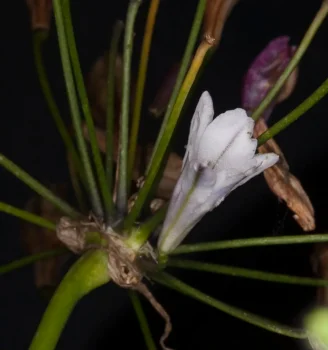
The San Clemente Island triteleia is a perennial forb – basically a non-woody plant that comes back year after year. Think of it as nature’s own little bulb that produces charming purple to blue funnel-shaped flowers each spring, rising above grass-like foliage that wouldn’t look out of place in a Mediterranean garden.
Also known by its synonym Brodiaea clementina, this plant belongs to a fascinating group of California natives that have adapted to some pretty specific conditions. But here’s where things get serious: this plant is incredibly rare.
A Plant on the Edge
With a Global Conservation Status of S2, the San Clemente Island triteleia is classified as Imperiled. What does that mean in plain English? There are typically only 6 to 20 known populations of this plant, with somewhere between 1,000 to 3,000 individual plants remaining in the wild. That’s not many when you think about it!
Where Does It Come From?
As the name suggests, this native California plant is endemic to San Clemente Island, making it one of the most geographically restricted plants you could ever hope to grow. It’s found nowhere else on Earth naturally – talk about exclusive real estate!
- Species observed
- No observations
Should You Grow It?
Here’s where we need to have a serious conversation. While this plant would be an absolutely stunning addition to any native plant collection, its rarity status means we need to approach it responsibly. If you’re interested in growing San Clemente Island triteleia, you should only obtain plants or seeds from reputable sources that can guarantee the material was responsibly sourced and legally obtained.
Never collect this plant from the wild – doing so could contribute to pushing this species closer to extinction.
Perfect Garden Settings
If you can source it responsibly, San Clemente Island triteleia would thrive in:
- Rock gardens with excellent drainage
- Mediterranean-style landscapes
- Native plant collections
- Specialized rare plant gardens
Growing Conditions
This island native has adapted to some pretty specific conditions, so here’s what it needs to be happy:
- Sunlight: Full sun to partial shade
- Soil: Well-draining soil is absolutely critical
- Water: Drought tolerant once established, but needs some water during growing season
- Climate: USDA zones 9-11 (thinks coastal Southern California)
Planting and Care Tips
Growing this rare beauty requires patience and attention to its natural cycle:
- Plant bulbs in fall when temperatures cool down
- Allow the plant to go dormant in summer – this is natural!
- Provide minimal water after establishment
- Ensure excellent drainage to prevent bulb rot
- Be patient – rare plants often grow slowly
Benefits to Wildlife
Despite its rarity, this little plant pulls its weight in the ecosystem by attracting native bees and other small pollinators. Every rare plant we can successfully grow helps support the web of life that these specialized pollinators depend on.
The Bottom Line
The San Clemente Island triteleia represents something special in the native plant world – a living piece of California’s unique natural heritage that’s hanging on by a thread. While most gardeners might never have the opportunity to grow this rare gem, knowing about it helps us appreciate the incredible diversity and fragility of our native plant communities.
If you’re passionate about rare natives and can source this plant responsibly, you’ll be participating in an important conservation effort. Just remember: with great rarity comes great responsibility. This isn’t a plant to take lightly, but rather one to treasure and protect for future generations to discover and admire.