San Diego Bur Ragweed: A Tough California Native for Water-Wise Gardens
If you’re looking for a low-maintenance, drought-tolerant native plant that can handle California’s challenging growing conditions, San Diego bur ragweed (Ambrosia chenopodiifolia) might just be the unsung hero your garden needs. Don’t let the name fool you – while it may not win any beauty contests, this hardy perennial shrub has plenty of practical benefits for the right gardener.
What is San Diego Bur Ragweed?
San Diego bur ragweed is a native California shrub that belongs to the sunflower family. This perennial plant typically grows as a multi-stemmed woody shrub, usually staying under 13 to 16 feet in height, though it’s often much smaller in garden settings. You might also see it listed under its scientific synonym, Franseria chenopodiifolia.
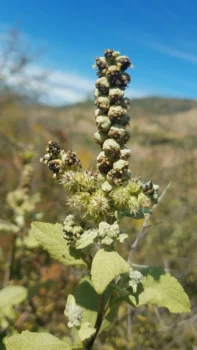
The plant features attractive, deeply divided grayish-green leaves that give it a somewhat feathery appearance. Its flowers are small and greenish – not particularly showy, but they serve their purpose in the plant’s wind-pollinated reproductive strategy.
Where Does It Grow Naturally?
This California native has a fairly limited natural range, growing primarily in southwestern California, particularly around San Diego County. It’s perfectly adapted to the Mediterranean climate and challenging growing conditions of this region.
- Species observed
- No observations
Should You Plant San Diego Bur Ragweed?
Here’s the honest truth: San Diego bur ragweed isn’t going to be the star of your flower garden. However, it has several qualities that make it worth considering for specific situations:
- Extremely drought tolerant: Once established, it needs minimal water
- Native plant credentials: Supports local ecosystems and requires no soil amendments
- Low maintenance: Perfect for gardeners who want a plant it and forget it approach
- Erosion control: Great for stabilizing slopes and challenging areas
Important note: San Diego bur ragweed has a conservation status of S3?, indicating some level of rarity or conservation concern. If you decide to grow this plant, make sure to source it from reputable native plant nurseries that use responsibly collected seeds or ethically propagated stock.
Ideal Growing Conditions
San Diego bur ragweed thrives in conditions that would stress out many other plants:
- Sunlight: Full sun exposure
- Soil: Well-draining soil (clay, sandy, or rocky soils are all fine)
- Water: Minimal once established – perfect for xeriscaping
- USDA Hardiness Zones: 9-11
- Climate: Mediterranean, semi-arid conditions
Best Uses in the Garden
San Diego bur ragweed works best in:
- Native plant gardens focused on local California species
- Drought-tolerant landscapes and xeriscapes
- Slope stabilization projects
- Natural areas where you want to encourage native biodiversity
- Mediterranean-style gardens
It’s not the best choice for formal flower borders or areas where you want continuous color and visual impact.
Planting and Care Tips
The beauty of San Diego bur ragweed lies in its simplicity:
- Planting: Plant in fall or early spring when temperatures are moderate
- Establishment: Water regularly the first year to help roots establish
- Ongoing care: Once established, water sparingly – this plant actually prefers to stay on the dry side
- Pruning: Light pruning in late winter if needed to maintain shape
- Fertilizing: Generally unnecessary – native soils provide adequate nutrition
Wildlife and Pollinator Value
While San Diego bur ragweed is wind-pollinated and doesn’t attract the typical parade of butterflies and bees, it does have ecological value. As a native species, it provides habitat and may serve as a host plant for certain native insects that have co-evolved with it over thousands of years.
The Bottom Line
San Diego bur ragweed isn’t for every gardener or every garden, but it has its place. If you’re creating a native plant garden, working with challenging growing conditions, or simply want a no-fuss plant that can handle California’s climate extremes, it’s worth considering. Just remember to source your plants responsibly given its conservation status, and manage your expectations – this is a plant you’ll appreciate for its resilience rather than its flowers.
For gardeners outside its native range or those wanting more ornamental appeal, consider other drought-tolerant natives like California sagebrush, coyote brush, or manzanita varieties that might better suit your needs.