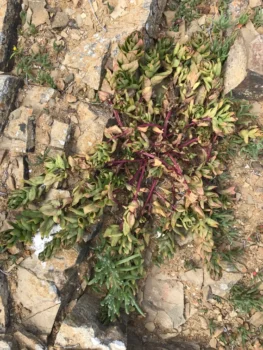
San Diego Coastalcreeper: A Rare Native Gem for Specialized Gardens
If you’re passionate about native plants and love a good gardening challenge, meet San Diego coastalcreeper (Aphanisma blitoides) – a little-known annual that’s as rare as it is specialized. This diminutive California native might not win any beauty contests, but it holds a special place in the world of coastal plant conservation.
What Makes San Diego Coastalcreeper Special?
San Diego coastalcreeper is an annual forb – basically a non-woody plant that completes its entire life cycle in just one growing season. Don’t expect towering heights or showy blooms; this modest plant stays close to the ground and produces tiny, inconspicuous flowers that you might easily overlook. But what it lacks in visual drama, it makes up for in ecological significance.
As a native species found exclusively in California, particularly along the coastal regions of San Diego County, this plant represents a unique piece of our natural heritage. Its botanical name, Aphanisma blitoides, might be a mouthful, but it’s worth remembering if you’re serious about native plant conservation.
Where Does It Call Home?
This coastal specialist is found naturally in California, where it thrives in the unique conditions of coastal sage scrub communities. Think sandy soils, salt-tinged air, and the Mediterranean climate that makes Southern California famous.
- Species observed
- No observations
The Conservation Reality Check
Here’s where things get serious: San Diego coastalcreeper has a conservation status of S3S4, meaning it’s considered uncommon to fairly uncommon. This isn’t a plant you’ll find at your local nursery, and for good reason – it’s genuinely rare in the wild.
If you’re interested in growing this species, please ensure you source seeds or plants from reputable native plant societies or conservation organizations. Never collect from wild populations, as this could harm already vulnerable communities.
Growing San Diego Coastalcreeper: Not for Beginners
Let’s be honest – this isn’t the easiest plant to grow successfully. San Diego coastalcreeper has very specific needs that can be challenging to replicate in typical garden settings.
Ideal Growing Conditions:
- Sandy, well-draining soils
- Coastal climate conditions
- USDA hardiness zones 9-10
- Mediterranean rainfall patterns (wet winters, dry summers)
- Good air circulation
Garden Role and Design Ideas:
This plant works best in specialized native plant gardens, particularly those focused on coastal sage scrub restoration or rare plant conservation. It’s not going to be your main attraction, but rather a supporting player in a larger ecosystem story. Consider it for:
- Native plant collections
- Coastal restoration projects
- Educational demonstration gardens
- Ground cover in specialized Mediterranean climate gardens
Care Tips for Success
If you decide to take on the challenge of growing San Diego coastalcreeper, here are some essential tips:
- Plant seeds in fall for spring germination, mimicking natural rainfall patterns
- Provide excellent drainage – soggy soils are a death sentence
- Water sparingly during the growing season, allowing soil to dry between waterings
- Avoid fertilizers, which can harm this adapted-to-lean-soils species
- Allow plants to self-seed for natural reproduction cycles
Wildlife and Pollinator Benefits
While information about specific wildlife benefits is limited, annual forbs like San Diego coastalcreeper typically support small native insects and contribute to the overall ecosystem health of coastal sage scrub communities. Every native plant, no matter how small, plays a role in supporting local biodiversity.
The Bottom Line: Should You Grow It?
San Diego coastalcreeper isn’t for every gardener or every garden. It’s a plant for specialists, conservationists, and those truly committed to preserving California’s unique coastal flora. If you have the right conditions, the patience for a challenging plant, and access to ethically sourced material, growing this rare native can be a meaningful contribution to conservation efforts.
However, if you’re looking for easier native alternatives that provide similar ecological benefits, consider other California native annuals that are more readily available and easier to establish. The most important thing is getting native plants in the ground – even if they’re not the rarest species around.
Remember: when it comes to rare plants like San Diego coastalcreeper, every responsibly grown specimen counts toward preserving these unique pieces of California’s natural heritage for future generations.