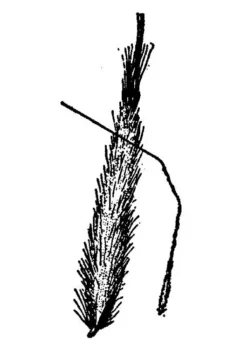
San Diego Needlegrass: A Rare California Native Worth Protecting in Your Garden
Meet San Diego needlegrass (Achnatherum diegoense), a delicate and increasingly rare native grass that deserves a special place in California gardens. This perennial graminoid—fancy speak for grass-like plant—is one of Southern California’s botanical treasures, though you might not have heard of it before. That’s partly because it’s becoming quite scarce in the wild, making it all the more important for conscious gardeners to consider.
Where Does San Diego Needlegrass Come From?
This lovely grass is a true California native, specifically calling the Golden State home. Its range is quite limited—you’ll find it naturally growing only in California, with most populations concentrated in San Diego County (hence the name!). It was once more widespread but has become increasingly uncommon due to habitat loss and development pressure.
- Species observed
- No observations
Why San Diego Needlegrass Matters (And Why You Should Care)
Here’s where things get serious for a moment: San Diego needlegrass has a Global Conservation Status of S3, which means it’s considered Vulnerable. In plain English, this grass is rare and local throughout its range, with typically only 21 to 100 occurrences remaining. When you choose to grow this species, you’re not just adding a beautiful plant to your garden—you’re participating in conservation efforts to keep this species from disappearing entirely.
But don’t let its rarity status scare you away! Growing San Diego needlegrass can be incredibly rewarding, and it offers several benefits for both your garden and local wildlife.
What Makes This Grass Special
San Diego needlegrass brings a subtle, elegant beauty to any landscape. As a fine-textured ornamental grass, it produces delicate seed heads that seem to glow when backlit by morning or evening sun. The wispy, ethereal quality of its foliage adds movement and texture to garden compositions without overwhelming other plants.
This perennial grass works wonderfully as:
- An accent plant in native garden designs
- Groundcover for naturalistic plantings
- Erosion control on slopes and hillsides
- A textural element in drought-tolerant landscapes
Perfect Gardens for San Diego Needlegrass
This grass thrives in several garden styles, particularly:
- Native California gardens
- Mediterranean-style landscapes
- Drought-tolerant xeriscapes
- Wildlife habitat gardens
- Naturalistic prairie-style plantings
Growing Conditions and Care
The good news? San Diego needlegrass is relatively low-maintenance once you understand its preferences. This grass typically grows in USDA hardiness zones 9-11, making it suitable for most of Southern California and similar climates.
Preferred growing conditions:
- Well-draining soils (this is crucial!)
- Full sun to partial shade
- Minimal water once established
- Tolerates poor soils
Interestingly, San Diego needlegrass has a Facultative Wetland status in the Arid West region, meaning it usually grows in wetlands but can adapt to drier conditions. This makes it quite versatile for different garden situations.
Planting and Care Tips
Success with San Diego needlegrass starts with proper timing and technique:
- Best planting time: Fall planting allows the grass to establish roots during cooler, wetter months
- Soil preparation: Ensure excellent drainage—this grass won’t tolerate soggy feet
- Watering: Water regularly during the first year, then reduce to minimal supplemental irrigation
- Maintenance: Cut back in late winter before new growth emerges
- Spacing: Give plants room to develop their natural form
Wildlife Benefits
While San Diego needlegrass is wind-pollinated (so it won’t attract bees and butterflies like flashier flowers), it still provides valuable wildlife benefits. Birds often use the fine grass blades and seed heads as nesting material, and the seeds themselves can provide food for small birds and other wildlife.
The Responsible Sourcing Imperative
Here’s the most important part: if you decide to grow San Diego needlegrass, please ensure you source it responsibly. Given its vulnerable conservation status, it’s crucial to:
- Purchase plants from reputable native plant nurseries
- Verify that plants are nursery-propagated, not wild-collected
- Never collect seeds or plants from wild populations
- Consider participating in seed collection programs organized by conservation groups
Should You Grow San Diego Needlegrass?
If you’re gardening in Southern California and want to support native plant conservation while adding subtle beauty to your landscape, San Diego needlegrass could be an excellent choice. Its rarity makes it a conversation starter and a meaningful addition to any native plant collection.
However, this isn’t a grass for impatient gardeners or those wanting immediate dramatic impact. San Diego needlegrass rewards those who appreciate understated elegance and the satisfaction of growing something truly special and increasingly rare.
By choosing to grow this vulnerable native species, you’re not just creating a beautiful garden—you’re participating in an important conservation effort. And in a world where so many native plants are disappearing, that’s something worth celebrating.