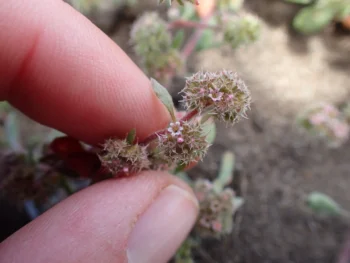
San Francisco Spineflower: A Rare Native Worth Protecting
If you’re passionate about native plant conservation and happen to live in the San Francisco Bay Area, you might want to learn about one of California’s most endangered wildflowers: the San Francisco spineflower (Chorizanthe cuspidata var. cuspidata). This tiny annual isn’t your typical garden showstopper, but it plays a crucial role in California’s coastal ecosystem and desperately needs our help to survive.
What Makes This Plant Special
The San Francisco spineflower is a small annual forb—essentially a non-woody flowering plant that completes its entire life cycle in one growing season. Don’t expect flashy blooms or dramatic foliage; this little plant is more about substance than style. Its inconspicuous flowers and modest stature make it easy to overlook, but its rarity makes it incredibly precious.
As a true California native, this spineflower is endemic to the Golden State and represents an important piece of the region’s natural heritage. It belongs to the buckwheat family and has adapted specifically to the unique coastal conditions of the San Francisco Bay Area.
Where It Calls Home
The San Francisco spineflower has one of the most limited ranges of any California native plant—it’s found only in California, specifically in the San Francisco Bay Area. This extremely narrow geographic distribution is part of what makes the species so vulnerable.
- Species observed
- No observations
A Conservation Priority
Here’s the important part: the San Francisco spineflower has a Global Conservation Status of S2T2, which indicates it’s imperiled and at high risk of extinction. This rare status means that if you’re considering adding it to your garden, you should only do so with responsibly sourced material from reputable native plant societies or conservation organizations.
This isn’t a plant you should collect from the wild—doing so could harm already vulnerable populations. Instead, look for seed from legitimate conservation programs or established nursery stock from certified sources.
Growing Conditions and Care
If you’re lucky enough to obtain seeds or plants through proper channels, the San Francisco spineflower thrives in:
- Full sun exposure
- Well-draining sandy soils
- Coastal California conditions (USDA zones 9-10)
- Minimal supplemental watering once established
As an annual, this plant will complete its life cycle in one growing season, setting seed for the following year. The key to success is mimicking its natural habitat: sandy, well-draining soil with excellent air circulation and plenty of sunshine.
Role in Your Garden
While the San Francisco spineflower won’t win any beauty contests, it serves important ecological functions. It provides food for small native insects and contributes to the complex web of relationships that support local wildlife. In a garden setting, it’s best suited for:
- Native plant conservation gardens
- Habitat restoration projects
- Educational displays about endangered species
- Specialized collections of rare California natives
The Bottom Line
Should you plant San Francisco spineflower? If you’re committed to conservation, have the right growing conditions, and can source it responsibly, absolutely. However, this isn’t a casual gardening choice—it’s a conservation commitment. By growing this rare native, you become part of an important effort to preserve California’s botanical heritage.
For most gardeners looking to support native wildlife, consider other native California plants that are more readily available and less conservation-sensitive. But if you’re passionate about rare plant conservation and want to make a real difference, the San Francisco spineflower offers a unique opportunity to help save a piece of California’s natural history.