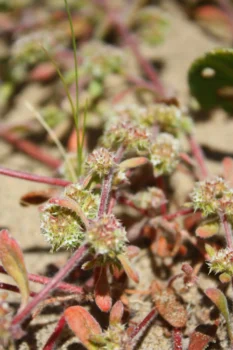
San Francisco Spineflower: A Rare California Native Worth Preserving
Meet the San Francisco spineflower (Chorizanthe cuspidata var. villosa), a delicate little annual that’s become something of a botanical treasure in California. This unassuming native plant might not win any flashy flower contests, but it holds a special place in the Golden State’s natural heritage—and increasingly, in the hearts of conservation-minded gardeners.
What Makes This Plant Special?
The San Francisco spineflower is a true California endemic, meaning it exists nowhere else on Earth. This petite annual herb belongs to the buckwheat family and typically grows just 4 to 12 inches tall. Don’t let its small stature fool you—this little forb packs a lot of character into its compact frame.
The plant produces clusters of tiny white to pinkish flowers that may seem modest at first glance, but they’re perfectly adapted to attract California’s native pollinators. Its delicate, branching structure and soft, somewhat fuzzy appearance give it a charming, cottage garden feel despite being a wild native.
Where Does It Call Home?
This spineflower is native to California, where it originally thrived in the coastal regions around the San Francisco Bay Area. Its natural habitat includes sandy soils, coastal bluffs, and disturbed areas where few other plants can establish themselves.
- Species observed
- No observations
A Conservation Story
Here’s where things get serious: the San Francisco spineflower has a Global Conservation Status of S2T2, which indicates it’s quite rare and potentially vulnerable. Much of its original habitat has been lost to urban development, making this plant a priority for conservation efforts.
If you’re considering growing this species, please ensure you source seeds or plants responsibly from reputable native plant nurseries or conservation organizations. Never collect from wild populations—every wild plant counts for this species’ survival.
Growing San Francisco Spineflower
Despite its rarity, this spineflower can be surprisingly adaptable in the right garden setting. As an annual, it completes its entire life cycle in one growing season, making it perfect for gardeners who enjoy the anticipation of replanting each year.
Ideal Growing Conditions
- Sunlight: Full sun exposure
- Soil: Well-draining, sandy or gravelly soils
- Water: Minimal watering after establishment; drought-tolerant once mature
- Climate zones: USDA zones 9-10 (Mediterranean climates)
Planting and Care Tips
- Direct seed in fall for spring germination
- Scatter seeds on prepared, well-draining soil surface
- Lightly rake to ensure good seed-to-soil contact
- Water gently until germination, then reduce watering significantly
- Allow plants to self-seed for natural reproduction
Perfect Garden Partners
The San Francisco spineflower works beautifully in native California gardens, rock gardens, and naturalized areas. Pair it with other California natives like:
- California poppies
- Native bunch grasses
- Other buckwheat family members
- Coastal sage scrub plants
Wildlife and Pollinator Benefits
Though small, this spineflower punches above its weight when it comes to supporting local ecosystems. Its flowers attract native bees and other small pollinators, while its seeds may provide food for native birds and small mammals.
Should You Grow It?
If you’re a California gardener passionate about native plants and conservation, the San Francisco spineflower could be a meaningful addition to your garden. However, this isn’t a plant for everyone. It requires a commitment to responsible sourcing and an appreciation for subtle beauty over showy displays.
Consider growing it if you:
- Live in coastal California (zones 9-10)
- Want to support conservation efforts
- Enjoy naturalized, low-maintenance gardens
- Appreciate the story and heritage of native plants
- Have well-draining, sunny garden space
Skip this one if you’re looking for bold, dramatic garden impact or if you’re not in the right climate zone.
By choosing to grow the San Francisco spineflower responsibly, you’re not just adding a plant to your garden—you’re participating in the preservation of California’s botanical heritage. Sometimes the smallest plants carry the biggest stories.