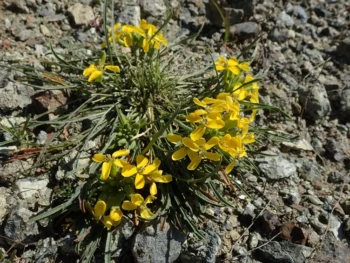
San Francisco Wallflower: A Rare California Native Worth Growing Responsibly
If you’re passionate about California native plants and want to support local ecosystems, the San Francisco wallflower (Erysimum franciscanum) might just be the perfect addition to your garden. This charming little forb herb brings a splash of sunny yellow blooms to the landscape while supporting native pollinators – but there’s an important catch every gardener should know about.
A True California Original
The San Francisco wallflower is as Californian as they come. This biennial to perennial herb is native exclusively to the Golden State, making it a genuine local treasure. As a forb (a vascular plant without significant woody tissue), it stays relatively low to the ground and produces those delightful clusters of small yellow flowers that make wallflowers so beloved by gardeners.
Currently, you’ll find this species growing wild only in California, where it has adapted to some pretty specific conditions over thousands of years.
- Species observed
- No observations
Why This Plant Deserves Special Attention
Here’s where things get serious: the San Francisco wallflower has a Global Conservation Status of S3, which means it’s considered vulnerable. With typically only 21 to 100 occurrences or between 3,000 and 10,000 individuals remaining, this little beauty is quite rare in the wild. This makes it both incredibly special and requiring of our careful stewardship.
What does this mean for you as a gardener? If you choose to grow San Francisco wallflower, you’re participating in conservation efforts – but only if you source your plants or seeds responsibly from reputable native plant nurseries or seed companies that ethically collect their material.
Garden Appeal and Ecosystem Benefits
Don’t let its vulnerable status fool you into thinking this isn’t a garden-worthy plant. The San Francisco wallflower offers several compelling reasons to include it in your landscape:
- Cheerful yellow flower clusters that bloom from spring into early summer
- Attracts native bees and butterflies, supporting local pollinator populations
- Perfect for rock gardens, native plant gardens, and xerophytic landscapes
- Low-maintenance once established
- Authentic representation of California’s natural heritage
Growing Conditions and Care
San Francisco wallflower thrives in USDA hardiness zones 9-10, making it suitable for most of California and similar Mediterranean climates. Here’s what this resilient native prefers:
Soil: Well-draining soil is absolutely essential. This plant has adapted to California’s often rocky, serpentine soils, so don’t worry if your garden soil isn’t particularly rich.
Light: Full sun to partial shade works well, though it tends to flower best with good sun exposure.
Water: Once established, San Francisco wallflower is quite drought tolerant – a classic California native trait. Water regularly during the first growing season, then reduce watering significantly.
Planting and Propagation Tips
The best approach for growing San Francisco wallflower is direct seeding in fall, which mimics natural growing patterns. Seeds need the cool, moist winter period to germinate properly in spring. Here are some key tips:
- Sow seeds in fall for spring germination
- Plant in well-prepared, loose soil with good drainage
- Water gently until seedlings are established
- Allow plants to self-seed if you want natural expansion
- Minimal fertilization needed – these plants prefer lean soils
A Garden with Purpose
Growing San Francisco wallflower isn’t just about adding another pretty plant to your garden – it’s about participating in conservation and supporting California’s unique ecological heritage. This little wallflower represents thousands of years of adaptation to California’s specific climate and conditions.
When you choose to grow this vulnerable native, you’re creating habitat for native pollinators, preserving genetic diversity, and keeping a piece of California’s natural history alive for future generations. Just remember: always source your plants or seeds from reputable, ethical suppliers who support conservation rather than collection from wild populations.
In a world where many native plants are disappearing from their natural habitats, your garden can become a small sanctuary for species like the San Francisco wallflower. It’s gardening with a conscience – and a beautiful one at that.