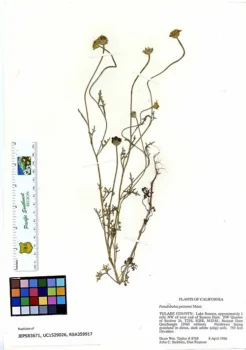
San Joaquin Adobe Sunburst: A Rare California Treasure Worth Protecting
If you’re passionate about native plants and conservation, you’ve likely heard whispers about some of California’s rarest wildflowers. Meet the San Joaquin adobe sunburst (Pseudobahia peirsonii), a tiny but mighty annual that’s fighting for survival in one of the most transformed landscapes in the Golden State.
A Plant on the Brink
Before we dive into growing this beautiful wildflower, there’s something crucial you need to know: the San Joaquin adobe sunburst is critically imperiled. With a Global Conservation Status of S1 and listed as Threatened in the United States, this species typically has five or fewer known occurrences and fewer than 1,000 remaining individuals in the wild. This isn’t just rare—it’s hanging by a thread.
If you’re considering adding this plant to your garden, please ensure you source seeds or plants only from reputable native plant suppliers who practice responsible propagation methods. Never collect from wild populations.
Where This Little Sunburst Calls Home
The San Joaquin adobe sunburst is endemic to California, specifically the San Joaquin Valley region. This annual forb has evolved to thrive in the valley’s distinctive adobe clay soils—a habitat that’s become increasingly rare due to agricultural conversion and urban development.
- Species observed
- No observations
What Makes It Special
Don’t let its small stature fool you—this annual wildflower packs a visual punch with its cheerful yellow, daisy-like flowers. As a forb (a non-woody herbaceous plant), the San Joaquin adobe sunburst grows close to the ground and completes its entire life cycle in one growing season, making every bloom precious.
The plant’s specialized relationship with adobe clay soils makes it unique among California’s native flora. While many gardeners curse heavy clay soil, this little sunburst absolutely thrives in it.
Garden Role and Landscape Design
In the right garden setting, San Joaquin adobe sunburst can serve as:
- A conservation showcase plant highlighting California’s endangered flora
- Ground cover in clay soil areas where other plants struggle
- A component in authentic San Joaquin Valley restoration projects
- Educational specimen in native plant gardens
Growing Conditions and Care
This is definitely a specialist plant with very specific needs:
Soil Requirements: Adobe clay soil is essential—this isn’t a plant you can grow in amended garden soil. The heavy, poorly-draining clay that frustrates most gardeners is exactly what this species needs.
Climate Needs: Suited for USDA hardiness zones 8-10, matching California’s Central Valley Mediterranean climate with wet winters and dry summers.
Sun Exposure: Full sun is preferred, mimicking its natural grassland habitat.
Water Requirements: As an annual adapted to California’s climate, it relies on winter rains and is drought-tolerant during the dry season.
Planting and Propagation Tips
Growing San Joaquin adobe sunburst requires patience and the right conditions:
- Direct seed in fall to take advantage of winter rains
- Ensure you have genuine adobe clay soil—sandy or amended soils won’t work
- Allow natural rainfall to provide moisture; avoid supplemental watering once established
- Expect germination in late winter to early spring
- Let plants self-seed to maintain the population
Supporting Pollinators and Wildlife
Despite its small size, the San Joaquin adobe sunburst provides valuable nectar and pollen for native bees and other small pollinators. In its natural habitat, it supports specialized insects that have co-evolved with the unique San Joaquin Valley ecosystem.
Should You Grow This Rare Beauty?
The San Joaquin adobe sunburst presents a unique opportunity for conservation-minded gardeners, but it’s not for everyone. Consider this plant if you:
- Have genuine adobe clay soil on your property
- Live in California’s Central Valley or similar climate
- Are committed to conservation and supporting endangered species
- Can source seeds or plants responsibly from reputable suppliers
- Want to participate in preservation efforts for California’s rarest plants
However, if you don’t have the specific soil and climate conditions this plant requires, consider supporting conservation efforts in other ways, such as donating to organizations working to preserve San Joaquin Valley habitats or choosing other native plants better suited to your garden conditions.
A Plant Worth Saving
The San Joaquin adobe sunburst reminds us that some of nature’s most precious treasures exist in the most unexpected places. While heavy clay soil might seem like a gardening challenge, for this rare wildflower, it’s home. By growing this species responsibly, we become part of the conservation story, helping ensure that future generations might still glimpse these golden blooms dancing across California’s clay soils.
Remember: every plant matters when a species teeters on the edge of extinction. If you’re up for the challenge of growing this specialized beauty, you’ll be joining a small but dedicated community of gardeners helping to preserve one of California’s rarest wildflowers.