San Joaquin Woollythread: A Rare California Treasure for Your Native Garden
If you’re passionate about California native plants and conservation gardening, you’ve probably never heard of San Joaquin woollythread (Monolopia congdonii). This little-known annual wildflower is one of the Central Valley’s most endangered botanical treasures, and for good reason – it’s disappearing faster than morning fog in the San Joaquin Valley.
What Makes San Joaquin Woollythread Special?
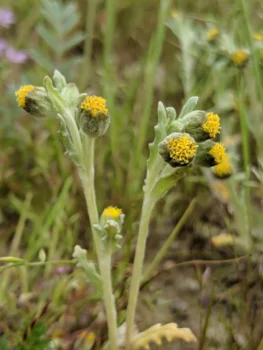
San Joaquin woollythread is a charming annual forb that belongs to the sunflower family. True to its common name, this plant sports fuzzy, woolly foliage that gives it a distinctive silvery-green appearance. In spring, it produces small but cheerful yellow daisy-like flowers that add a pop of sunshine to California’s native grasslands.
As an herbaceous annual, this plant completes its entire life cycle in one growing season. It lacks woody stems and instead produces soft, flexible growth that dies back completely each year, regenerating from seed the following season.
A California Native with a Troubled Past
This plant is native exclusively to California, where it once thrived in the state’s Central Valley grasslands. Unfortunately, San Joaquin woollythread now carries the sobering designation of Endangered and has a global conservation status of S3 (Vulnerable). With only 21 to 100 known populations remaining and an estimated 3,000 to 10,000 individuals left in the wild, this species teeters on the edge of extinction.
The primary threats to San Joaquin woollythread include habitat loss from agricultural conversion, urban development, and competition from invasive species that have transformed California’s native grasslands.
- Species observed
- No observations
Should You Grow San Joaquin Woollythread?
The short answer: Only if you can source it responsibly.
Given its endangered status, collecting seeds or plants from wild populations is absolutely off-limits and likely illegal. However, if you can obtain seeds or plants from reputable native plant nurseries that propagate from legally collected, ethically sourced material, growing San Joaquin woollythread can be a meaningful act of conservation.
Garden Design and Landscape Role
San Joaquin woollythread works beautifully in:
- Native California wildflower meadows
- Drought-tolerant landscape designs
- Conservation gardens focused on rare species
- Educational gardens highlighting California’s endangered flora
- Naturalized areas that mimic Central Valley grasslands
Its low-growing, woolly texture provides interesting contrast to other native grasses and wildflowers, while its yellow blooms create cheerful splashes of color in spring gardens.
Growing Conditions and Care
San Joaquin woollythread thrives in conditions that mimic its native Central Valley habitat:
- Sunlight: Full sun exposure
- Soil: Well-draining soils; tolerates clay and sandy conditions
- Water: Drought-tolerant once established; benefits from winter/spring moisture
- USDA Zones: 8-10 (adapted to California’s Mediterranean climate)
- Wetland status: Facultative Upland (usually grows in non-wetland areas but can tolerate some moisture)
Planting and Care Tips
Growing San Joaquin woollythread successfully requires mimicking natural conditions:
- Timing: Direct seed in fall (October-November) to allow natural winter stratification
- Soil prep: Ensure excellent drainage; amend heavy clay if necessary
- Watering: Provide supplemental water during establishment, then reduce to minimal irrigation
- Maintenance: Allow plants to self-seed for natural regeneration
- Companion planting: Pair with other Central Valley natives like purple needlegrass and goldfields
Pollinator and Wildlife Benefits
Like many members of the sunflower family, San Joaquin woollythread provides valuable nectar and pollen for native California bees, butterflies, and other beneficial insects. By growing this rare species, you’re not only helping preserve a piece of California’s natural heritage but also supporting the complex web of pollinators that depend on native plants.
A Conservation Success Story in Your Garden
Every garden that successfully grows San Joaquin woollythread becomes a tiny ark for this endangered species. While it may never be as showy as some of California’s more famous wildflowers, this humble annual carries the irreplaceable genetic heritage of the Central Valley’s original grasslands.
If you’re committed to conservation gardening and can source this plant responsibly, San Joaquin woollythread offers a unique opportunity to participate in preserving California’s botanical diversity. Just remember – with great rarity comes great responsibility. Always ensure your plants come from ethical sources, and consider sharing seeds with other conservation-minded gardeners to help expand this species’ foothold in cultivation.