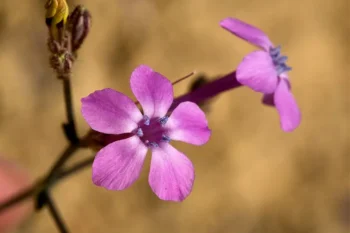
San Juan Gilia: A Rare Gem for High-Elevation Native Gardens
Meet the San Juan gilia (Aliciella haydenii), a delicate wildflower that’s as elusive as it is beautiful. This charming native annual or biennial brings a touch of alpine elegance to gardens, but there’s more to this plant than meets the eye.
What Makes San Juan Gilia Special?
San Juan gilia is a true southwestern native, calling the high-elevation regions of Colorado, New Mexico, and Utah home. As a forb—basically a non-woody flowering plant—it produces clusters of small, tubular white to pale pink flowers that seem to dance on slender stems. The plant’s fine, narrow leaves give it an almost ethereal appearance that’s perfectly suited to its mountain habitat.
Where You’ll Find This Mountain Beauty
This Rocky Mountain native has a fairly limited range, growing naturally in Colorado, New Mexico, and Utah. It’s particularly fond of high-elevation environments where the air is thin and the growing season is short.
- Species observed
- No observations
A Conservation Concern Worth Addressing
Here’s where things get serious: San Juan gilia has a Global Conservation Status of S3, meaning it’s considered vulnerable. With typically only 21 to 100 occurrences and between 3,000 to 10,000 individuals in the wild, this isn’t your run-of-the-mill garden center find. If you’re considering adding this plant to your garden, it’s absolutely crucial to source it responsibly from reputable native plant nurseries that propagate rather than wild-collect their stock.
Garden Appeal and Design Uses
Despite its rarity, San Juan gilia can be a wonderful addition to the right garden setting. Its delicate flowers and fine texture make it perfect for:
- Rock gardens and alpine plant collections
- Wildflower meadows with other high-elevation natives
- Xeriscaping projects that celebrate water-wise gardening
- Native plant conservation gardens
Supporting Pollinators
Those tubular flowers aren’t just pretty—they’re pollinator magnets! San Juan gilia attracts small native bees, butterflies, and moths, making it a valuable addition to pollinator-friendly gardens. Every flower counts when you’re supporting native wildlife.
Growing Conditions and Care
San Juan gilia is adapted to USDA hardiness zones 4-7, thriving in the challenging conditions of high-elevation environments. Here’s what this mountain native needs to succeed:
- Soil: Excellent drainage is non-negotiable—think rocky, sandy, or gravelly soils
- Sun exposure: Full sun to partial shade
- Water: Minimal once established; this plant is drought-tolerant
- pH: Adapted to alkaline soils common in its native range
Planting and Care Tips
Growing San Juan gilia successfully means mimicking its natural habitat:
- Plant in well-draining soil—consider adding gravel or sand if your soil is heavy
- Choose a sunny to partially shaded location
- Water sparingly; overwatering is more likely to kill this plant than drought
- Allow the plant to self-seed if conditions are right—it may naturalize in suitable spots
- Be patient with germination, as mountain plants often have specific timing needs
The Bottom Line
San Juan gilia is a plant for gardeners who appreciate rare natives and want to support conservation efforts. While it requires specific growing conditions and responsible sourcing, it rewards dedicated gardeners with delicate beauty and the satisfaction of growing something truly special. If you can provide the right conditions and source your plants ethically, this vulnerable wildflower can become a treasured part of your high-elevation native garden.
Remember: always purchase from nurseries that propagate their own plants rather than collecting from wild populations. Your garden can be part of the conservation solution!