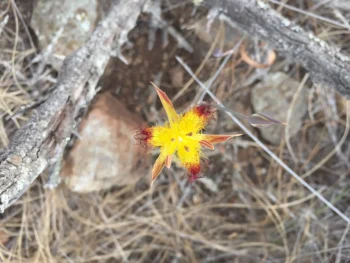
San Luis Mariposa Lily: A Rare California Native Worth Protecting in Your Garden
Meet the San Luis mariposa lily (Calochortus obispoensis), one of California’s most precious floral gems. This stunning native perennial might just be the conversation starter your garden has been waiting for – but it comes with an important responsibility that every gardener should know about.
A True California Original
The San Luis mariposa lily is as Californian as it gets, calling only the Golden State home. This native beauty has deep roots in the local ecosystem and represents thousands of years of adaptation to California’s unique Mediterranean climate. As a perennial forb (that’s garden-speak for a non-woody flowering plant), it returns year after year to grace your landscape with its presence.
You’ll find this species naturally growing in California, where it has carved out its niche in the state’s diverse landscapes.
- Species observed
- No observations
Why This Plant Deserves Special Attention
Here’s where things get serious, fellow gardeners. The San Luis mariposa lily carries a Global Conservation Status of S2, which means it’s considered Imperiled. With typically only 6 to 20 known occurrences and fewer than 1,000 to 3,000 individuals remaining in the wild, this plant is incredibly rare and vulnerable to extinction.
What this means for gardeners: If you choose to grow this remarkable plant, you absolutely must source it responsibly. Never collect from wild populations, and only purchase from reputable native plant nurseries that propagate their own stock. By growing responsibly sourced San Luis mariposa lily, you’re actually helping conservation efforts!
Garden Appeal and Design Role
Despite its rarity, the San Luis mariposa lily offers unique beauty that’s hard to match. These plants produce gorgeous cup-shaped flowers that typically display white to pale pink petals adorned with distinctive markings. The spring blooming period transforms any garden space into a showcase of California’s natural heritage.
In your landscape design, this plant works wonderfully in:
- Native plant gardens and California-themed landscapes
- Rock gardens where its bulbous nature can shine
- Mediterranean-style gardens that mimic its natural habitat
- Naturalistic wildflower meadows
- Specialty collections for serious native plant enthusiasts
Growing Conditions and Care
The San Luis mariposa lily has evolved for California’s Mediterranean climate, and understanding this is key to success. These plants thrive in well-draining soils and follow the classic California native pattern: they love winter moisture but require a dry summer dormancy period.
Ideal growing conditions include:
- Well-draining soils (heavy clay is a no-go)
- Full sun to partial shade
- Winter rainfall or irrigation
- Dry summers with minimal to no supplemental water
- USDA hardiness zones 8-10
Planting and Care Tips
Success with San Luis mariposa lily starts with timing and technique:
Planting: Plant bulbs in fall when the first rains arrive. This mimics the natural cycle and gives plants time to establish before their spring show.
Watering: Provide regular moisture during the growing season (fall through spring), then gradually reduce watering as temperatures rise. Once the plant goes dormant in summer, keep it completely dry.
Maintenance: These are relatively low-maintenance plants once established. Allow foliage to die back naturally, as this feeds the bulb for next year’s display.
Supporting Local Wildlife
Native California plants like the San Luis mariposa lily have co-evolved with local pollinators over thousands of years. During its spring blooming period, this plant attracts native bees and other pollinators, providing them with nectar and pollen resources that are perfectly timed for their life cycles.
The Bottom Line
Should you plant San Luis mariposa lily? If you’re committed to responsible sourcing and can provide the right Mediterranean growing conditions, absolutely! This rare native offers unique beauty while supporting local ecosystems and conservation efforts. Just remember: with great beauty comes great responsibility. Always choose nursery-propagated plants and never collect from wild populations.
By welcoming this imperiled species into your garden, you’re not just adding beauty – you’re becoming a conservation partner in preserving California’s irreplaceable botanical heritage for future generations.