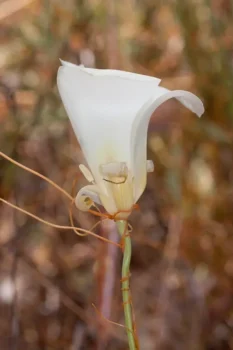
San Luis Obispo Mariposa Lily: A Rare California Native Worth Protecting
If you’re passionate about California native plants and drawn to the extraordinary, the San Luis Obispo mariposa lily (Calochortus simulans) might just capture your heart. This enchanting perennial bulb is as beautiful as it is rare, making it a true treasure for dedicated native plant gardeners.
What Makes This Plant Special
The San Luis Obispo mariposa lily belongs to the fascinating Calochortus genus, known for their stunning cup-shaped flowers that seem almost too perfect to be real. This particular species produces gorgeous white to pale lavender blooms adorned with distinctive markings that make each flower a work of art. The delicate petals emerge in late spring to early summer, creating a brief but spectacular display that’s worth the wait.
As a perennial forb, this plant grows from an underground bulb and lacks the woody stems you’d find on shrubs or trees. Instead, it sends up slender stems topped with those show-stopping flowers, then quietly retreats underground for its summer dormancy period.
Where It Calls Home
This mariposa lily is a true California endemic, found exclusively in San Luis Obispo County. It naturally grows in coastal sage scrub and chaparral habitats, where it has adapted to the Mediterranean climate of the central California coast.
- Species observed
- No observations
A Plant That Needs Our Help
Here’s where things get serious: the San Luis Obispo mariposa lily has a Global Conservation Status of S2, meaning it’s imperiled. With only 6 to 20 known occurrences and potentially just 1,000 to 3,000 individual plants remaining in the wild, this species is extremely vulnerable to extinction.
If you’re considering adding this plant to your garden, please only purchase from reputable sources that offer responsibly propagated material—never plants collected from wild populations. Better yet, consider supporting conservation efforts for this species while enjoying other more common Calochortus species in your garden.
Garden Role and Landscape Design
When grown responsibly, the San Luis Obispo mariposa lily serves several important roles:
- A conversation starter and educational tool about California’s rare plants
- A specialty addition to native plant collections
- Perfect for rock gardens where its delicate beauty can be appreciated up close
- Excellent in naturalized areas that mimic its coastal sage scrub habitat
- A pollinator magnet that attracts native bees and other beneficial insects
Growing Conditions and Care
If you’re fortunate enough to obtain responsibly sourced bulbs, here’s how to keep them happy:
Climate Requirements: This plant thrives in USDA hardiness zones 8-10, preferring the Mediterranean climate it evolved with.
Soil and Drainage: Excellent drainage is absolutely critical. Plant in well-draining, sandy or rocky soil that won’t hold water during the dormant season.
Sun Exposure: Full sun to partial shade works well, though morning sun with some afternoon protection can be beneficial in hotter inland areas.
Water Needs: Water moderately during the growing season (fall through spring), then allow the plant to go completely dormant and dry during summer. This natural cycle is essential for the bulb’s health.
Planting and Care Tips
- Plant bulbs in fall, about 3-4 inches deep
- Space bulbs 6-12 inches apart to allow for natural spreading
- Mulch lightly with gravel or sand rather than organic mulch
- Never water during the summer dormancy period
- Mark the location so you don’t accidentally disturb dormant bulbs
- Be patient—bulbs may take a year or two to establish before blooming
The Bottom Line
The San Luis Obispo mariposa lily is undeniably beautiful and would make a stunning addition to any California native garden. However, its imperiled status means we must approach growing it with great care and responsibility. If you can source ethically propagated bulbs, you’ll be rewarded with an extraordinary plant while supporting conservation efforts.
For most gardeners, consider starting with more common mariposa lily species like Calochortus venustus or Calochortus luteus, which offer similar beauty without the conservation concerns. Whatever you choose, growing any mariposa lily connects you to California’s incredible botanical heritage—and that’s something worth celebrating.