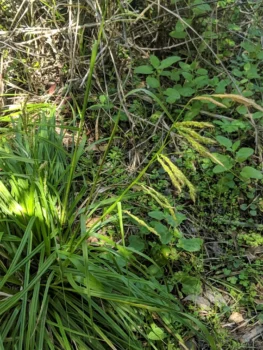
San Luis Obispo Sedge: A Rare California Native Worth Protecting
If you’re passionate about native California plants and conservation gardening, you may have heard whispers about the San Luis Obispo sedge (Carex obispoensis). This unassuming perennial sedge might not win any flashy flower contests, but it holds a special place in California’s botanical heritage—and unfortunately, it’s becoming increasingly rare.
What Makes This Sedge Special?
The San Luis Obispo sedge is a true California native, found exclusively in the Golden State. As its common name suggests, this grass-like perennial has strong ties to the San Luis Obispo region. Like other members of the sedge family (Cyperaceae), it’s technically not a grass, though it certainly looks like one with its narrow, blade-like leaves and clumping growth habit.
This sedge is part of a fascinating group of plants that includes not just sedges, but also rushes and other grass-like species that play important ecological roles in wetland and semi-wetland environments.
Geographic Distribution and Rarity
Here’s where things get serious: Carex obispoensis grows only in California, and it’s currently listed with a Global Conservation Status of S2, meaning it’s imperiled. This classification indicates the species is extremely rare, with typically only 6 to 20 known occurrences and fewer than 1,000 to 3,000 remaining individuals in the wild. That’s a sobering reminder of how precious this little sedge really is.
- Species observed
- No observations
Growing Conditions and Habitat Preferences
In its natural habitat, San Luis Obispo sedge has a Facultative Wetland status in the Arid West region. This means it usually grows in wetlands but can occasionally tolerate drier conditions. Think of it as a plant that loves having its feet wet but won’t immediately throw a tantrum if things dry out temporarily.
Based on its California origins and wetland preferences, this sedge likely thrives in:
- Moist to wet soils
- Areas with seasonal moisture fluctuations
- USDA hardiness zones 8-10
- Partial sun to light shade conditions
Should You Grow San Luis Obispo Sedge?
This is where conservation meets gardening ethics. While this native sedge would make a wonderful addition to appropriate California native gardens, rain gardens, or wetland restoration projects, its imperiled status means we need to be extremely thoughtful about how we approach growing it.
The responsible approach: If you’re interested in growing San Luis Obispo sedge, only obtain plants or seeds from reputable native plant nurseries that can verify their material is responsibly sourced and not collected from wild populations. Better yet, consider supporting habitat restoration efforts or seed banking programs that work to preserve this species.
Garden Role and Design Ideas
When responsibly sourced, San Luis Obispo sedge could serve several roles in the right garden:
- Native groundcover in moist areas
- Accent plant in rain gardens or bioswales
- Part of a California native plant collection
- Educational specimen in conservation-focused gardens
Aesthetic Appeal
Don’t expect showy flowers from this sedge—like most members of its family, it’s wind-pollinated and produces small, inconspicuous blooms. Its beauty lies in its subtle, grass-like texture and its role as a living piece of California’s botanical history. The narrow leaves form attractive clumps that add fine texture to garden compositions.
Planting and Care Tips
If you do obtain this rare sedge through responsible channels:
- Plant in consistently moist soil
- Provide protection from harsh afternoon sun
- Allow for natural dormancy periods
- Avoid fertilizers, as native sedges typically prefer lean soils
- Be patient—establishment may take time
The Bigger Picture
While San Luis Obispo sedge offers limited benefits to pollinators (sedges are wind-pollinated), it likely provides habitat and food for specialized wildlife species. More importantly, growing rare natives responsibly helps maintain genetic diversity and supports conservation efforts.
If you can’t source this particular sedge responsibly, consider supporting its conservation by choosing other California native sedges that aren’t imperiled, or by donating to organizations working to protect rare plant habitats.
Sometimes the most meaningful gardening choices aren’t about what we plant, but about understanding our role as stewards of irreplaceable botanical treasures like the San Luis Obispo sedge.