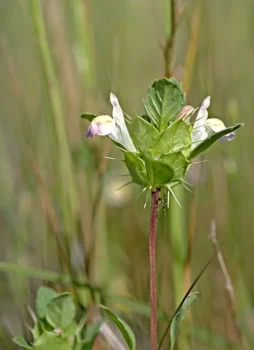
San Mateo Thorn-Mint: A Rare California Treasure You Probably Shouldn’t Try to Grow
Meet the San Mateo thorn-mint (Acanthomintha duttonii), one of California’s most endangered native plants and quite possibly one of the most challenging plants you’ll ever encounter. This tiny annual herb might not look like much, but it’s got a story that’ll make any plant lover’s heart skip a beat – and then break a little.
What Makes This Plant So Special?
The San Mateo thorn-mint is what botanists call an endemic species – it exists nowhere else on Earth except in a few precious spots in San Mateo County, California. This little forb (that’s a fancy word for a non-woody flowering plant) is an annual, meaning it completes its entire life cycle in just one growing season.
With its aromatic foliage and clusters of tiny white to pale lavender flowers, this plant may be small in stature, but it’s huge in ecological importance. It’s like the botanical equivalent of a rare gem – beautiful, unique, and incredibly precious.
Where Does It Call Home?
This thorn-mint is found exclusively in California, specifically in the serpentine soils of San Mateo County in the San Francisco Bay Area. These unusual soils, formed from ancient ocean floor rock, create a harsh environment that most plants can’t handle – but our thorn-mint has evolved to thrive there.
- Species observed
- No observations
The Reality Check: Why You Shouldn’t Plant It
Here’s where we need to have a serious chat. The San Mateo thorn-mint has a Global Conservation Status of S1, which means it’s critically imperiled. In plain English? This plant is hanging on by a thread. It’s officially listed as Endangered, with typically only 5 or fewer populations remaining and fewer than 1,000 individual plants in the wild.
While we absolutely want to celebrate and protect this amazing species, attempting to grow it in your home garden isn’t the answer. Here’s why:
- It requires very specific serpentine soil conditions that are nearly impossible to replicate
- Wild collection could further threaten the remaining populations
- It’s extremely difficult to cultivate, even for botanical experts
- Seeds and plants are not commercially available for good reason
Growing Conditions (For Science’s Sake)
If you’re curious about what this plant needs to survive, here are its very specific requirements:
- Climate: Mediterranean climate of coastal California (USDA Zones 9-10)
- Soil: Serpentine soils with high levels of magnesium and low calcium
- Sun: Full sun exposure
- Water: Dry conditions, adapted to California’s dry summers
- Timing: Annual growth cycle timed to California’s wet winters and dry summers
Supporting Conservation Instead
Rather than trying to grow this rare beauty, here are better ways to support the San Mateo thorn-mint:
- Support local conservation organizations working to protect its habitat
- Visit botanical gardens that may have conservation collections (look but don’t touch!)
- Plant other native California species that support local ecosystems
- Learn about and protect serpentine habitats in your area
Native Alternatives for Your Garden
If you’re drawn to aromatic native mints, consider these more garden-friendly California natives instead:
- Coyote mint (Monardella villosa) – drought-tolerant with purple flowers
- California bee balm (Monarda fistulosa) – attracts pollinators galore
- White sage (Salvia apiana) – aromatic and beautiful
The Bigger Picture
The San Mateo thorn-mint reminds us that not every native plant is meant for our gardens – and that’s okay! Sometimes the best way to love a plant is to protect its wild habitat and admire it from a respectful distance. By supporting conservation efforts and choosing appropriate native alternatives for our gardens, we can be part of the solution rather than the problem.
This little thorn-mint may be small and incredibly rare, but it plays a vital role in California’s unique serpentine ecosystems. Let’s keep it that way by leaving it in the wild where it belongs and supporting the scientists and conservationists working hard to ensure future generations can marvel at this botanical treasure too.