San Mateo Woolly Sunflower: A Rare California Treasure Worth Protecting
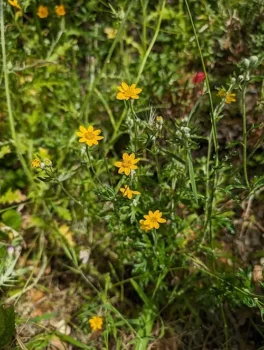
Meet the San Mateo woolly sunflower (Eriophyllum latilobum), one of California’s most endangered wildflowers and a true botanical gem that deserves our attention and protection. This remarkable native plant tells a story of resilience, rarity, and the delicate balance of our coastal ecosystems.
A Plant on the Brink
Before we dive into growing this beauty, there’s something crucial you need to know: the San Mateo woolly sunflower is critically imperiled. With a Global Conservation Status of S1 and listed as Endangered in the United States, this perennial herb is hanging on by a thread with typically fewer than 5 occurrences and less than 1,000 remaining individuals in the wild.
Important: If you’re considering adding this plant to your garden, please ensure you source it only from reputable native plant nurseries that propagate from ethically collected seeds or cuttings. Never collect from wild populations.
Where It Calls Home
This woolly sunflower is a true California endemic, found naturally only in San Mateo County. Its incredibly restricted range makes it one of the state’s most geographically limited native plants, which also contributes to its vulnerable status.
- Species observed
- No observations
What Makes It Special
The San Mateo woolly sunflower is what botanists call a forb – essentially a non-woody perennial herb that dies back to ground level each year but returns from its root system. Don’t let the technical description fool you though; this plant has plenty of charm:
- Cheerful yellow daisy-like flowers that brighten up the landscape
- Distinctive woolly, gray-green foliage that gives the plant its common name
- Compact growth habit perfect for specialized garden settings
- Important pollinator plant for native bees and butterflies
Growing Conditions and Care
If you’re lucky enough to acquire this rare plant through responsible sources, here’s what it needs to thrive:
Climate Requirements: This plant is adapted to Mediterranean climates and grows best in USDA hardiness zones 9-10, making it suitable for coastal California gardens with similar conditions.
Soil and Drainage: Like many California natives, the San Mateo woolly sunflower demands excellent drainage. Plant it in well-draining soil, and consider adding sand or gravel if your soil tends to hold water.
Sun Exposure: Full sun is essential for this sun-loving native. It won’t tolerate shady conditions.
Water Needs: Once established, this drought-tolerant perennial needs minimal supplemental watering. Overwatering is more likely to harm it than help it.
Perfect Garden Settings
The San Mateo woolly sunflower isn’t your typical garden center find, but it can play special roles in the right settings:
- Rock gardens and Mediterranean-style landscapes
- Native plant collections and botanical gardens
- Conservation gardens focused on rare species
- Educational gardens highlighting endangered flora
Supporting Conservation Through Gardening
By growing this endangered species responsibly, you become part of its conservation story. Your garden can serve as a genetic reservoir and help ensure this remarkable plant doesn’t disappear forever. Plus, you’ll be supporting the native pollinators that depend on it.
The Bottom Line
The San Mateo woolly sunflower represents both the beauty and fragility of California’s native flora. While most gardeners won’t have the opportunity to grow this rare treasure, those who do should approach it with respect, responsibility, and proper growing conditions. If you can’t find this specific species, consider supporting conservation by growing other native Eriophyllum species that aren’t endangered – there are several beautiful alternatives that will give you similar aesthetic appeal while supporting local ecosystems.
Remember, every rare plant we save today is a gift we give to future generations of both gardeners and wildlife.